





Yes, dismissive avoidants do get married and can build lasting long-term relationships. Having this attachment style doesn’t stop someone from wanting a committed partner or a stable home life.
Many people with this attachment pattern marry, raise families, and stay in relationships for decades.

Avoidant attachment in relationships brings some unique challenges. You might notice your partner pulls away during emotional moments, struggles to talk about feelings, or just seems to need more space than you do.
These patterns don’t mean the marriage is doomed. They show there are specific dynamics worth understanding if you want to build trust and closeness over time.
This article explores how dismissive avoidant attachment shows up in marriage, the patterns that can affect commitment, and what steps couples can try to feel more secure together. You’ll also find answers to common questions about this attachment style and when outside support might help.
Key Takeaways
- Dismissive avoidants can and do get married, and they can stay committed to a long-term relationship.
- This attachment style can create patterns like emotional distance or trouble discussing feelings, which shape how a marriage feels.
- Couples can take practical steps, and seek therapy if needed, to build more security and connection.
The Short Answer: Commitment Is Possible
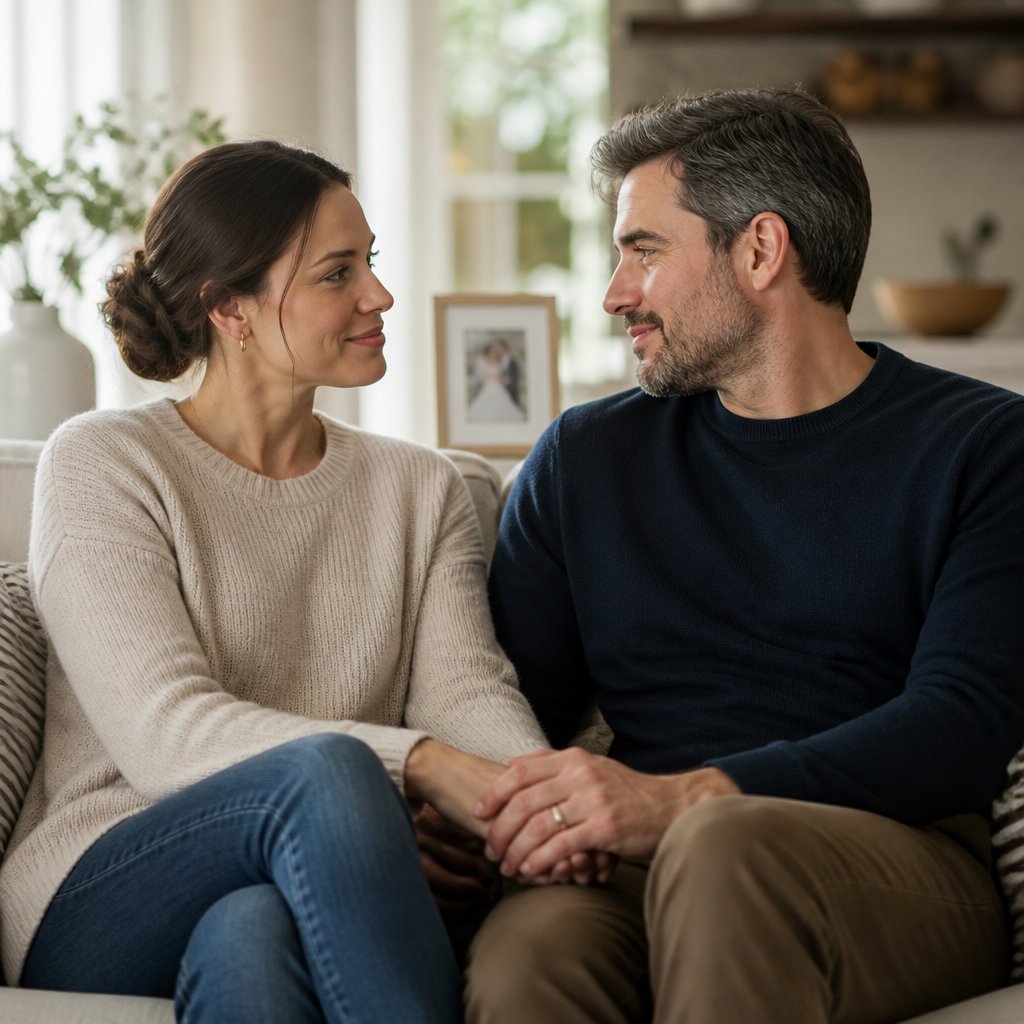
Yes, dismissive avoidants get married. Marriage can actually feel more manageable to them than dating, and their path to commitment usually looks different from what you might expect.
Why Marriage Can Feel Safer Than Emotional Exposure
You might assume commitment scares a dismissive avoidant partner, but often, it’s the opposite. Marriage offers a clear structure with defined roles and routines, which can feel safer than the emotional guesswork of early dating.
A dismissive-avoidant attachment style doesn’t mean someone avoids all closeness. It means they avoid intense emotional exposure.
Marriage can let them commit to you while keeping some emotional distance built into daily life. You may notice your partner treats marriage almost like a practical partnership.
This isn’t always a lack of love. It’s often their way of feeling secure while still protecting their independence.
What Commitment May Look Like for a Dismissive Avoidant
Commitment from dismissive avoidants often shows up through actions, not words. In romantic relationships with this attachment style, you might see:
- Reliable follow-through on responsibilities
- Financial stability and shared planning
- Physical presence over verbal affection
- Loyalty without frequent emotional check-ins
A dismissive avoidant partner may not say “I love you” often, but they might show up every day without fail. In a long-term relationship, this steadiness becomes their main way of expressing devotion.
Understanding this pattern helps you measure commitment by consistency, not just by emotional openness.
How Dismissive Avoidant Attachment Shapes Marriage

If you’re married to someone with an avoidant attachment style, certain patterns show up again and again. These patterns center on space, stress responses, the type of support your spouse gives, and how they handle closeness.
The Need for Autonomy and Personal Space
Your spouse’s need for independence isn’t a rejection of you. It’s a core part of how their attachment avoidance works.
People with this attachment style feel safest when they control their own time and space. Marriage naturally reduces some of that control, which can make your partner feel boxed in even when nothing is actually wrong.
You might notice your spouse pulling away after periods of closeness. This isn’t a sign they want out of the marriage.
It’s just a way of restoring a sense of balance they need to feel okay. Giving them room, instead of chasing them down, tends to work better.
When you push for more contact during these moments, it often backfires and creates even more distance.
Emotional Distance During Stress or Conflict
Conflict tends to trigger avoidant behavior fast. Your spouse may go quiet, change the subject, or leave the room when tension rises.
This reaction comes from discomfort with high emotion, not a lack of care. Research on avoidant attachment and withdrawal patterns shows that one partner pulling back while the other pushes for connection creates the worst outcomes for both people.
If you notice this pattern, timing matters more than persistence. Your spouse likely needs time alone to process before they can talk productively.
Waiting for them to come back to the conversation, rather than following them, usually leads to a better result. Soft, low-pressure communication helps too.
Speaking calmly, without blame, gives your spouse a better chance of staying present instead of shutting down completely.
Practical Care Versus Emotional Support
Your spouse might show love through actions rather than words. This could look like fixing something around the house, handling logistics, or solving a problem you mentioned.
This is a real form of care, even if it doesn’t match what you expected. Dismissive avoidant partners often respond better to practical support than emotional comfort, and they may offer the same type of support back.
If you’re looking for emotional validation, you may need to ask directly. Your spouse may not instinctively know how to sit with your feelings, but they can learn to offer verbal comfort if you explain what you need.
Mismatched support styles cause a lot of friction. Naming the mismatch out loud, rather than assuming your spouse doesn’t care, opens the door to change.
Physical Intimacy and Emotional Intimacy
Physical affection and emotional closeness don’t always move together for an avoidant spouse. Your partner may be comfortable with physical intimacy while still keeping emotional distance.
This split lets them connect physically without the vulnerability that comes with deep emotional exposure. Sex or touch may feel less loaded to them than a long conversation about feelings.
Comfort with physical affection can also depend on how safe the relationship feels overall. In a stable, low-conflict marriage, your spouse may show more comfort with both touch and closeness.
If physical intimacy feels present but emotional intimacy feels missing, this gap is common in avoidant relationships. It reflects a difference in how comfort and safety are processed, not a lack of attraction or commitment.
Relationship Patterns That Can Affect Commitment
Certain patterns show up again and again in relationships involving avoidant partners. Knowing what they look like can help you understand why marriage feels complicated, even when love is present.
The Pursue-Withdraw Cycle
If you’re with someone who has an avoidant attachment style, you may notice a repeating cycle. You reach out for connection, and they pull back.
The more you push, the more distance they create. This pattern often plays out over small things.
Maybe you ask for more communication during the day, and your partner responds by getting quiet or busy with other tasks. This cycle can create real avoidant attachment challenges in marriage, especially when one partner keeps pursuing and the other keeps retreating.
Over time, this can wear down both people. You feel rejected, your partner feels overwhelmed, and neither side gets what they actually need.
Why Closeness Can Trigger Pulling Away
Emotional closeness can feel threatening to someone with an avoidant relationship style. This isn’t about lack of love.
It’s about how they learned to handle connection early in life. When things get intense, whether that’s a fight, a vulnerable conversation, or even a happy milestone, avoidant partners often step back.
This gives them space to manage their anxiety. Physical and emotional intimacy can also feel separate to them.
Some avoidant partners find it easier to connect physically than emotionally, which can confuse partners who expect both to happen together. Understanding this pattern helps you respond with less personal blame and more clarity.
Recognizing Deactivating Strategies
Deactivating strategies are specific behaviors avoidant partners use to create distance when closeness feels like too much. These strategies aren’t always obvious, but they follow common patterns:
- Focusing on flaws: Suddenly noticing everything wrong with you or the relationship
- Comparing options: Wondering about other partners or paths not taken
- Minimizing feelings: Downplaying how important the relationship actually is
- Creating busyness: Filling schedules to avoid emotional conversations
- Physical withdrawal: Needing more alone time right after moments of closeness
These strategies show up as dismissive avoidant attachment signs in many relationships. Recognizing them helps you separate temporary distancing behavior from genuine disinterest.
When Two Avoidant Partners Pair Up
Two avoidant partners in a relationship can create a stable, low-conflict dynamic on the surface. Both people value independence and rarely push for deep emotional processing.
This pairing can work for a long time because neither partner demands more closeness than the other can handle. Fewer emotional bids means fewer moments of tension.
However, this setup can also mean both partners avoid necessary conversations about commitment, needs, or long-term plans. Healthy boundaries become harder to set because neither person initiates the vulnerable conversations that boundaries require.
Growth in the relationship often depends on at least one partner developing more emotional openness over time.
Building a More Secure Marriage Together
You can build a more secure marriage even when one partner has a dismissive avoidant style. It takes small, steady changes in how you talk, how you handle conflict, and how you meet each other’s needs.
Creating Emotional Safety Without Pressure
Emotional safety grows when you slow down instead of pushing for instant closeness. If your partner tends to pull away, give them room to open up at their own pace.
Avoid using ultimatums or guilt to force vulnerability. This usually backfires and makes an avoidant partner shut down further.
Instead, try short, low-pressure check-ins. A simple “how are you feeling about work?” can feel safer than “we need to talk about us right now.”
Over time, these small moments build trust. Your partner learns that emotional openness won’t lead to criticism or demands, which is a key step toward building a secure and emotionally connected relationship.
Making Clear Requests and Taking Constructive Space
Vague complaints like “you never show you care” rarely lead to change. Clear, specific requests work better.
Try saying: “Can you text me once during your workday?” This gives your partner something concrete to act on.
Space is also part of a healthy marriage. If your partner needs time alone after a hard conversation, that doesn’t mean they don’t care.
Agree on healthy boundaries around space in advance. For example:
- Set a time limit, like 30 minutes, before revisiting a tough topic.
- Agree that space means a pause, not avoidance.
- Check back in once the time is up, even briefly.
This structure helps both partners feel respected and prevents that “we” interdependent way of thinking in marriage from breaking down.
Practicing Repair After Conflict
Every couple argues, but what you do afterward matters even more than the fight itself.
Avoidant partners might pull away during conflict, which can leave the other person feeling shut out.
A repair conversation doesn’t have to happen right away. Sometimes, waiting a few hours or even a day helps both people calm down.
When you’re ready to talk, keep things simple.
Start by saying what happened without blaming. Then, share how you felt.
Ask your partner what they need moving forward.
This approach helps both people feel supported. It also reminds you that conflict doesn’t have to threaten the relationship’s stability.
Couples with secure attachment tend to trust in each other, even when things get rocky.
Protecting Each Partner’s Needs and Self-Worth
A solid marriage protects both people’s sense of self-worth, not just one person’s comfort.
If you’re the one seeking more closeness, your needs matter too.
Don’t hide your needs just to keep the peace with an avoidant partner. That can quietly build resentment over time.
At the same time, respect your partner’s need for independence. It’s not a personal rejection.
Balance is key.
| Your Needs | Their Needs |
|---|---|
| Regular check-ins | Time to process alone |
| Physical closeness | Respect for personal space |
| Verbal reassurance | Freedom from pressure |
When both sides feel heard, the marriage gets steadier.
This balance supports healthy boundaries and emotional stability without pressure for both people.
When Therapy and Additional Support Can Help
A dismissive avoidant partner can learn new ways to connect, but real change is tough without outside help.
Therapy gives both people tools to break old patterns and build a stronger connection.
How Emotionally Focused Therapy Supports Couples
Emotionally focused therapy (EFT) is one of the most researched methods for couples dealing with avoidant attachment in relationships.
EFT is based on attachment theory, which looks at how early bonds shape adult relationships.
With EFT, you and your partner start to see the cycle behind your fights. One person might chase after closeness while the other pulls away.
A therapist helps you name this pattern, so you stop blaming each other.
Over time, EFT can help a dismissive avoidant partner feel safe enough to share feelings out loud. The other partner learns how to ask for closeness without triggering a shutdown.
This work can lower conflict and slowly build trust, even between very different attachment styles.
The Role of Individual Therapy
Individual therapy gives a dismissive avoidant partner space to explore where their patterns came from.
Many learned early on that needing others wasn’t safe, so they built up strong walls of self-reliance.
A therapist can help unpack these root causes without judgment.
Often, CBT strategies for dismissive avoidant attachment help spot and change unhelpful thoughts.
Individual therapy isn’t just for the avoidant partner. The other spouse can benefit too, especially if they feel hurt or confused by the distance.
Separate sessions let each person process their own emotions before working on the relationship as a team.
Addressing Anxiety, Depression, and Isolation
Avoidant attachment often goes hand in hand with mental health struggles.
Some dismissive avoidants hide anxiety behind a calm exterior. Others might struggle with depression linked to years of emotional distance.
Isolation is a real risk. A dismissive avoidant partner may pull so far inward that they lose touch with friends, family, or even their spouse’s emotional world.
If left untreated, these issues can make attachment patterns worse.
A therapist trained in dismissive avoidant attachment therapy can screen for these conditions and treat them alongside relationship concerns.
This combined focus often leads to better results than working on attachment issues alone.
Signs the Relationship Needs Immediate Professional Help
Some warning signs mean it’s time to seek professional support right away. Watch for these:
- Complete emotional shutdown during most conflicts, with no attempt to reconnect
- Repeated cancellation of plans or avoidance of physical intimacy for long stretches
- Growing resentment or contempt during disagreements
- Signs of depression or anxiety that interfere with daily life, like trouble sleeping or loss of interest in normal activities
- Total breakdown in communication, where neither partner brings up problems anymore
If you see several of these signs, waiting usually makes things worse.
A licensed couples therapist who understands dismissive avoidant attachment patterns can help you address problems before they cause lasting harm to the marriage.
Frequently Asked Questions
Dismissive-avoidant attachment doesn’t stop people from marrying, but it definitely shapes how you pick a partner, how you handle commitment, and what happens after the wedding.
How common is marriage among people with a dismissive-avoidant attachment style?
Marriage is actually pretty common among people with this attachment style.
Many dismissive-avoidant adults get married and have long-term relationships, even if they tend to avoid deep emotional closeness.
These marriages often start with strong attraction. That early bond can feel intense, but it might not run very deep.
Who do dismissive-avoidant individuals typically choose as long-term partners?
You’ll often notice dismissive-avoidant people pairing up with partners who crave a lot of emotional connection.
This sets up a push-pull dynamic in the relationship.
The partner who wants closeness ends up chasing, while the avoidant partner pulls away. That can lead to feelings of loneliness within the marriage.
It’s not random. Each person’s attachment needs fit together in a way that feels familiar, even when it hurts.
What factors influence whether a dismissive-avoidant person commits to marriage?
Several things affect whether someone with this attachment style decides to marry.
Childhood experiences play a big role. Emotional deprivation early in life can shape how someone handles closeness as an adult.
Self-awareness matters, too. A dismissive-avoidant person who understands their own patterns may be more open to commitment.
The strength of attraction definitely plays a part. Sometimes, intense emotional or physical attraction pushes someone toward marriage, even if they usually avoid deep commitment.
Can a dismissive-avoidant partner maintain a healthy marriage?
Yes, but it takes effort from both people.
A dismissive-avoidant partner can learn to build a more secure attachment style through self-awareness, therapy, and consistent practice.
Progress is possible, though it’s never automatic. The brain can change, but it takes steady work and patience.
Without it, many marriages slip into what some experts call a “silent divorce.” The couple stays legally married but feels disconnected in heart from each other.
How does dismissive-avoidant attachment behavior change after marriage?
Marriage doesn’t automatically fix avoidant patterns. Sometimes, the added commitment can actually trigger more distancing.
Plans for long-term commitment often make dismissive-avoidant people feel uncomfortable.
You might see your partner pulling away more once married life settles in. That could mean less communication, more time spent apart, or a focus on personal independence over shared activities.
Some dismissive-avoidant partners also struggle with infidelity after marriage. Studies show that both dismissive-avoidant and fearful-avoidant attachment styles have higher rates of cheating, often as a way to create distance in the relationship.
How can someone discuss marriage with a dismissive-avoidant partner?
Timing and tone matter a lot when you bring up marriage with a dismissive-avoidant partner. Try to choose a calm moment, not when you’re arguing or feeling stressed out.
Stick to facts instead of diving deep into emotions. Dismissive-avoidant partners usually respond better to clear, direct language than to emotional statements.
Give your partner space to process what you’ve said. Don’t push for an immediate answer, since pressure can trigger their instinct to pull back or shut down.
Ask about specific concerns rather than keeping things vague. For instance, you might ask what worries them about commitment, instead of just asking if they’re ready for marriage. That can open up a more useful conversation.