



People with an avoidant attachment style do get married and build long-term relationships, but they tend to pick partners in specific ways. Avoidants often marry someone who is either very independent and low-pressure, or someone anxious who chases closeness while they pull back.
You might notice this pattern in your own relationship or in someone you love. It can leave you wondering what they actually want.

Marriage can seem like a strange choice for someone who struggles with closeness. Oddly enough, it often feels safer than you’d expect.
A ring and a shared last name create structure and commitment. For an avoidant partner, this doesn’t always require the deep emotional intimacy that feels risky.
Understanding this might help you make sense of why your partner seems both committed and distant at the same time.
Key Takeaways
- Avoidants often pair up with either highly independent partners or anxious partners who pursue closeness.
- Marriage can offer commitment and structure without forcing the vulnerability that feels threatening to an avoidant partner.
- Small, consistent changes in communication and trust can help couples build more closeness over time.
The Partners Avoidantly Attached People Often Choose

If you look at who avoidant people tend to date, you’ll see a pattern. They usually end up with one of three types: someone secure, someone anxious, or another avoidant.
Secure, Independent Partners
Avoidant people often do best with partners who have a secure attachment style. A secure partner gives space without taking it personally.
This kind of partner trusts the relationship is stable, even when you need time alone. They don’t panic or guilt-trip you for wanting distance.
You get to keep your self-reliance while still building a real connection. Over time, steady support from a secure partner can help you feel safer opening up.
Anxious Partners and the Pursuer-Distancer Cycle
You might also find yourself drawn to someone with an anxious attachment style. This pairing can get rocky.
Anxious partners crave closeness and reassurance. You, on the other hand, want space and independence.
This sets up what’s called the pursuer-distancer cycle. One partner chases connection while the other pulls away.
The more your partner asks for closeness, the more you may retreat. This makes your partner feel more anxious, so they push harder, and you pull back further.
It’s a loop that can repeat for years. Breaking this pattern takes real effort from both sides, but it’s possible with awareness and open communication.
Another Avoidant Partner
You may also end up with someone who shares your avoidant attachment style. At first, this can feel like a relief.
Neither of you pushes for emotional dependency or constant check-ins. You both value self-sufficiency and give each other plenty of room to breathe.
Two avoidant partners can actually get along fairly well, since you both respect each other’s need for space. But this setup has limits.
Without someone pushing for closeness, the relationship can stay surface-level. You might feel strong in your independence, but the relationship may lack the depth that comes from real vulnerability.
Why Marriage Can Feel Safer Than Emotional Closeness

Marriage can give an avoidant person a sense of commitment without asking for constant emotional openness. It offers structure and clear roles, which can feel much safer than the daily vulnerability that deep emotional intimacy requires.
Commitment Does Not Always Mean Emotional Openness
You might think marriage automatically means someone is emotionally close to you. That is not always true.
An avoidant partner can commit to marriage and still keep an emotional distance. They may love you and want to build a life with you, but sharing feelings can still feel hard.
For them, commitment often means loyalty and structure rather than vulnerability. Marriage gives a clear label and a stable role.
It doesn’t force daily emotional disclosure the way that dating someone new often does. That’s why an avoidant relationship can look stable from the outside, even when there’s a real emotional disconnect underneath.
Avoidant partners often feel calmer when a relationship has clear structure. Marriage naturally comes with routines, shared responsibilities, and defined roles.
You might notice your avoidant partner leans into practical tasks. They may focus on things like managing finances, planning for the future, raising kids with a routine, or dividing household duties.
These shared goals give your relationship a sense of teamwork. This can feel safer than talking about feelings, since it doesn’t require the same kind of vulnerability.
Practical compatibility can build real trust over time. It shouldn’t fully replace emotional connection, even if it feels easier for your partner.
When Distance Becomes a Silent Relationship Problem
Emotional distance can build slowly in a marriage, and it often goes unspoken. You may feel like something is missing, even if your daily life together runs smoothly.
Over time, this quiet gap can turn into a real relationship problem. One partner may feel very alone, even while married.
Watch for signs like conversations that stay surface-level, avoiding topics about feelings, or feeling more like roommates than partners. If left unaddressed, this pattern can create ongoing emotional disconnect.
Naming it early and talking about it gently can help both partners feel more understood.
What Avoidant Partners Commonly Need in a Relationship
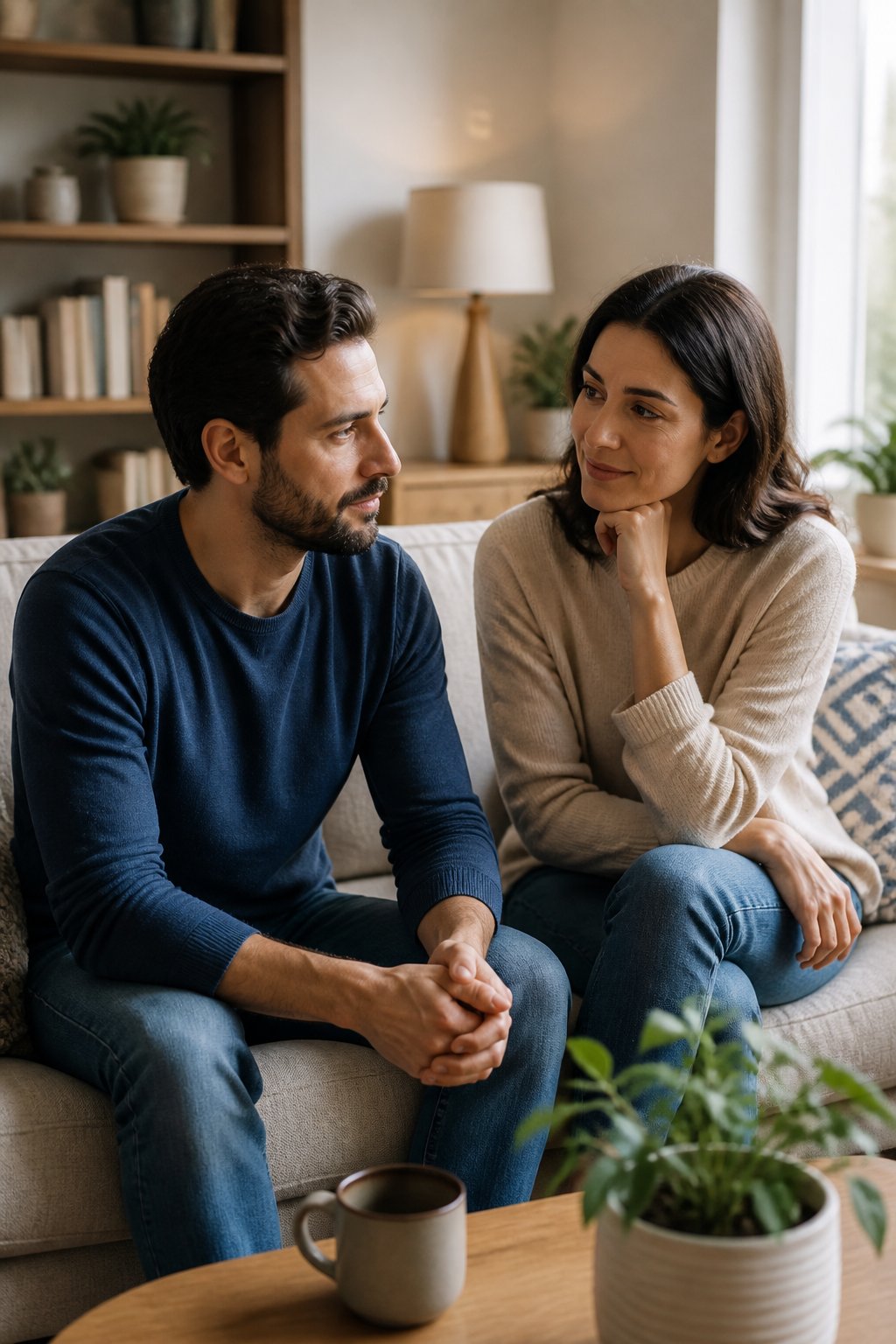
Avoidant partners often want closeness, but they need it delivered in a way that feels safe rather than overwhelming. Understanding their core emotional needs can help you build a relationship that works for both of you.
Space Without Disconnection
Your avoidant partner needs room to breathe, but that doesn’t mean they want distance from you emotionally.
Time alone often helps them process feelings and manage stress. It’s rarely a sign that they’re pulling away for good.
Try to see space as a tool, not a threat. When you give them room without taking it personally, you make it easier for them to come back to you on their own.
This balance protects the emotional connection between you, even during quiet moments. Over time, your partner may feel safer choosing closeness because they know you won’t chase them or shut them out when they step back.
Clear Requests and Direct Communication
Avoidant partners tend to do better with clear, simple requests instead of hints or emotional pressure.
If you need more time together or want to talk about something important, say it plainly. Avoid vague statements like “you never make time for me.”
Try something like, “Can we set aside 30 minutes tonight to talk?” Or, “I’d like a hug when I get home.” Even, “Let’s plan one date night each week.”
Direct communication removes guesswork, which can feel like a relief to an avoidant partner. It also lowers the chance of misunderstandings that lead to withdrawal or conflict.
Boundaries That Support Emotional Safety
Personal boundaries matter a lot to avoidant partners, and respecting them helps build trust over time.
This might mean not pushing for deep talks the moment they walk in the door. Or it could mean giving them a heads-up before bringing up a sensitive topic.
Respecting boundaries doesn’t mean avoiding intimacy altogether. It means approaching closeness at a pace that feels manageable for them.
When boundaries are honored, your partner is more likely to feel emotional safety in the relationship. That safety often opens the door to more openness and steadier connection.
How Avoidants May Show Love and Investment
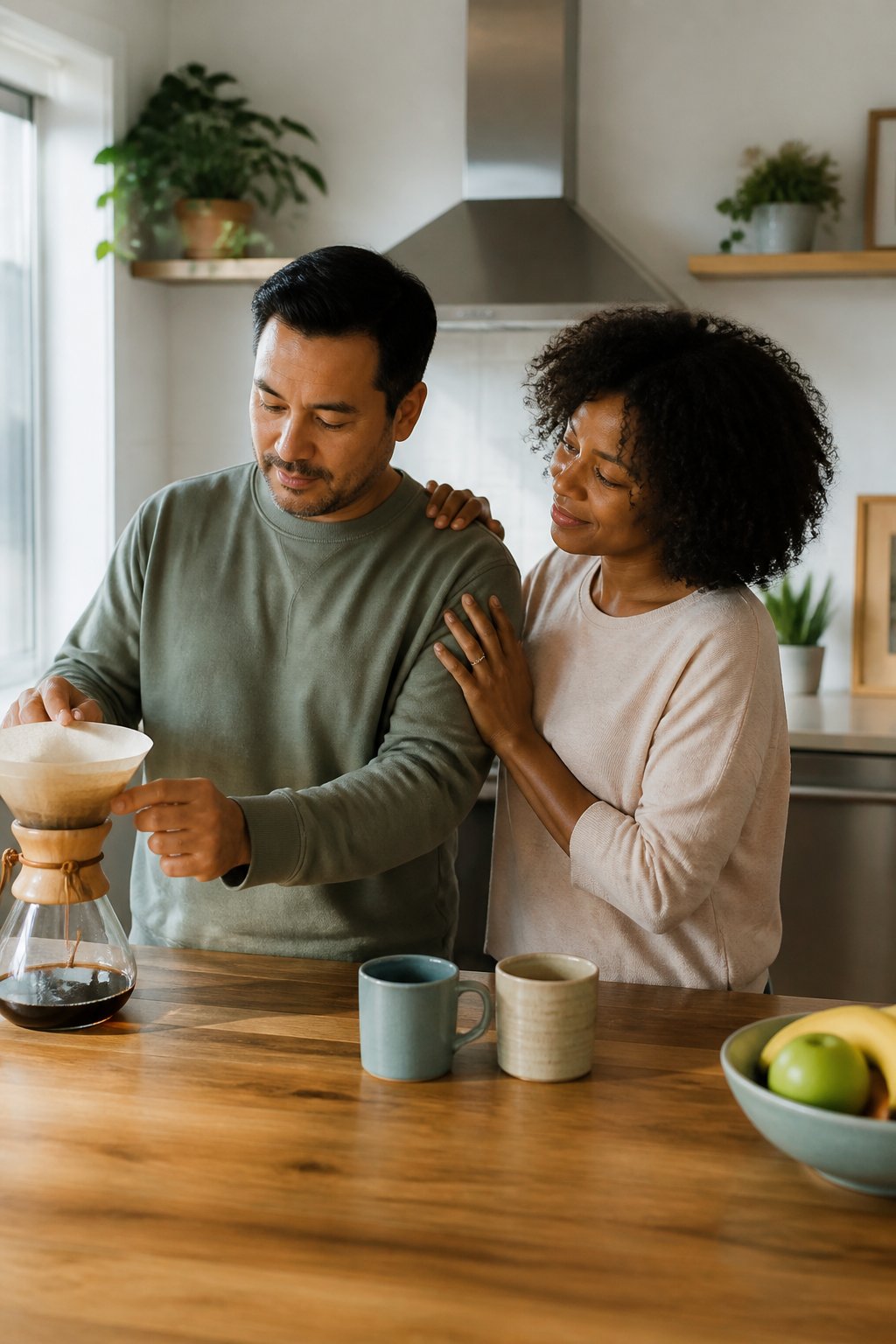
Avoidants often care about you just as much as anyone else. They just tend to show love through actions instead of words, since talking about feelings can feel too exposed.
Practical Help and Thoughtful Gestures
You might notice your avoidant partner fixing something around the house instead of saying “I love you.” That’s often how they express care.
They may remember small details, like your favorite coffee order or the fact that your car needs an oil change. These thoughtful gestures matter to them, even if they seem small.
Look for consistency here. An avoidant partner who shows up again and again with helpful actions is telling you something real, even without saying it out loud.
Making Time in Manageable Ways
Avoidants tend to need space, so they may build connection in short bursts instead of long, open-ended hangouts. You might get a text checking in on your day or a quick coffee run together.
These moments feel manageable because there’s a clear start and end. Over time, this pattern can turn into a real emotional connection, just built in smaller pieces.
Try not to take it personally if they avoid marathon conversations or long weekends with no plans. It’s usually about comfort, not about how much they care.
Small Steps Toward Vulnerability
Getting an avoidant partner to open up usually happens slowly. You may notice they share a personal story or admit a fear only after they feel safe with you.
This kind of vulnerability can take time to build. Some avoidant partners find deep emotional dependency uncomfortable, so small steps are their way of testing the waters.
If you notice your partner opening up even a little, try to respond gently. This can help build emotional intimacy and encourage them to keep trying.
How Attachment Patterns Affect Marriage Over Time
Your marriage doesn’t stay the same year after year. If your spouse has an avoidant attachment style, small patterns of distance can grow into bigger problems if they go unnoticed.
Recognizing Withdrawal, Shutdowns, and Conflict Avoidance
You might notice your spouse goes quiet during arguments. This happens a lot with a dismissive avoidant style.
Instead of talking things through, they might leave the room or change the subject. Here are a few signs to watch for:
- Shutting down instead of responding
- Avoiding hard conversations
Some people need lots of alone time after conflict. Others change the subject when things get emotional.
These actions usually aren’t about you personally. They’re often habits your spouse learned as a kid to handle stress.
Still, if you never talk about it, these habits can create real emotional distance in your marriage.
The Impact on the Non-Avoidant Spouse
If you’re the one reaching for closeness, this pattern can wear you down. You might feel lonely even when your spouse is right there.
Your emotional needs might feel unmet most of the time. That can lead to self-doubt, and you might start to wonder if you’re the problem, when it’s really more about your spouse’s attachment style.
Over time, you could end up pulling back too. You might stop sharing your feelings just to avoid rejection.
When Disconnection Raises the Risk of Separation or Divorce
An ongoing emotional disconnect can wear down even a strong marriage. When one partner avoids closeness and the other keeps chasing it, both people often end up feeling hurt and tired.
This pattern is linked to higher divorce rates in some studies on adult attachment. But that doesn’t mean it’s a sure thing.
Many couples turn things around with effort and support. Getting help early really matters.
A counselor who understands attachment styles can help you and your spouse build new habits. This can lower your risk of drifting apart for good.
Building a More Secure and Connected Partnership
A marriage with an avoidant partner can actually grow stronger over time. Small changes in how you talk, connect, and handle stress can make a big difference.
Replacing the Pursue-Withdraw Pattern
You might notice one of you always reaches out, while the other pulls back. That’s the pursue-withdraw cycle.
The person who pursues often wants more closeness. The one who withdraws just needs space to feel okay.
Neither reaction is wrong. But over time, this pattern can make both people feel unseen.
You can break this cycle by noticing it when it happens. Try naming it out loud: “I think we’re doing the chase and pull-back thing again.”
This takes the blame off both of you. It also gives you a chance to try something different instead of falling into old habits.
Creating Safety for Honest Conversations
Emotional safety is the base of any strong relationship. Without it, honest talks just feel risky.
If your partner tends to shut down during hard talks, start small. Ask simple, low-pressure questions—maybe just how their day went—before moving into deeper topics.
This approach matches ideas behind strategies to heal and build connection between partners. Starting with light emotional steps works better than diving into heavy stuff right away.
Give your partner time to respond without rushing. Avoidant partners often need space to think before speaking.
You can share your own feelings first. That shows vulnerability and makes it a little easier for your partner to open up too.
Direct communication works better than hints or silence. Say what you need clearly and calmly, without blaming.
When Emotionally Focused Therapy Can Help
Sometimes, couples need extra support to build a secure connection. Emotionally Focused Therapy (EFT) is one option worth knowing about.
EFT is based on attachment theory. It helps couples understand the emotions behind their actions, not just the actions themselves.
A therapist trained in EFT can guide you and your partner toward more emotional openness. The idea is that attachment styles can shift over time with patience and the right support.
During EFT sessions, you might explore:
- What triggers your partner’s need for space
- How your own reactions affect the cycle
- Ways to express needs without pressure
- Steps toward feeling safe with closeness
EFT doesn’t promise a quick fix. But it gives you tools to build trust and move toward a more secure attachment together.
Frequently Asked Questions
Here are answers to common questions about avoidant attachment and marriage, covering partner choices, common patterns, and whether change is possible.
What kind of partners are people with avoidant attachment styles most likely to choose?
If you have an avoidant attachment style, you probably look for a partner who won’t crowd you. You want someone who has their own life, friends, and interests outside the relationship.
You’re usually drawn to independent and self-sufficient partners who don’t need constant reassurance. Confidence and direct communication also appeal to you, since they cut down on the guesswork that makes relationships stressful.
Do avoidant people tend to marry anxious attachment partners?
Yes, this pairing happens a lot. People call it the anxious-avoidant trap, and it can feel familiar even when it hurts.
At first, the anxious partner’s warmth gives you a taste of closeness you might not seek out on your own. But over time, their need for reassurance can feel like pressure, and that makes you want to pull away.
Can two people with avoidant attachment styles have a successful marriage?
You and a partner who are both avoidant can build a stable marriage, especially if you both value independence and space. This kind of match often feels calm at first because neither of you pushes for more closeness than the other wants.
The challenge comes when emotional needs go unspoken for too long. If no one brings up feelings, you might both drift into separate routines without meaning to.
Why might an avoidant person be attracted to an emotionally distant partner?
An emotionally distant partner feels safe because they won’t ask for more than you’re ready to give. You avoid the fear of being overwhelmed or losing yourself in the relationship.
This attraction often connects to early experiences that taught you that closeness leads to disappointment or unmet needs. A distant partner matches that comfort zone, even if it limits emotional connection long-term.
What relationship patterns often appear when an avoidant person gets married?
You might notice a repeating cycle: your partner reaches out for closeness, you step back, and then both of you end up feeling disconnected.
Researchers estimate roughly 25% of adults show avoidant attachment traits, so you’re definitely not alone in this.
You may also show love through actions, like fixing something for your partner or remembering small details about their day. Your partner might not always recognize these as signs of care if they’re expecting verbal affection instead.
Can an avoidant partner become more comfortable with closeness in marriage?
Yes, it’s possible to get more comfortable with intimacy as time goes on, especially if your marriage feels safe and relaxed. Taking small steps helps more than making big promises.
Gradually sharing your thoughts or just hanging out together can make a real difference. Most people open up when they feel accepted and not pressured.
If you notice your partner truly respects your boundaries, it’s easier to let your guard down at your own pace.