




Crushes can feel exciting, distracting, and sometimes overwhelming. You might wonder if having more than one at a time means something is wrong with you.
It’s completely normal to have a lot of crushes, and it doesn’t mean you’re doing anything bad.

You may notice yourself liking different people for different reasons. Maybe it’s someone’s sense of humor, another person’s kindness, or just the way someone carries themselves.
That doesn’t make your feelings less real. It just shows how many traits you find interesting in others.
Having multiple crushes can help you learn more about what you actually want in a relationship.
Crushes can get tricky if they start to take over your focus or mess with your boundaries. It helps to understand where these feelings come from and how to handle them in a healthy way.
Key Takeaways
- Having many crushes is a normal part of life
- Crushes can teach you about your preferences and values
- Managing your feelings helps keep them fun and balanced
Are Multiple Crushes Normal?

You might feel confused if you like more than one person at the same time. Actually, it’s common.
Attraction shifts depending on personality, timing, and even small details you notice in others. Having several crushes doesn’t mean something is wrong with you.
Why We Develop Crushes
You develop crushes because your brain reacts to traits you find appealing. It could be a sense of humor, kindness, or just how someone moves through the world.
These things trigger feelings of attraction that can feel exciting, almost like a small rush. Sometimes a crush feels like falling in love, but it’s usually lighter and less deep.
Crushes can act like a harmless addiction, giving you a quick boost of energy or happiness when you think about the person.
It’s normal to notice different qualities in different people. One person might wow you with confidence, while another makes you feel safe or understood.
That’s why it’s possible to have multiple crushes at once.
Crushes at Different Life Stages
Crushes often start in childhood when you first notice you like someone in a special way. During your teenage years, they can feel more intense because hormones heighten attraction and emotions.
You might find yourself having several crushes at once during this stage. As you move into adulthood, crushes don’t disappear.
They may become more about shared goals, values, or lifestyle instead of just surface stuff. Some adults still juggle multiple crushes, which is considered normal.
In later life, crushes can feel different again. They may be less about excitement and more about connection or companionship.
At every stage, the way you experience crushes shifts. The pattern of liking more than one person can stick around.
Common Misconceptions About Having Many Crushes
A common myth says that having more than one crush means you’re shallow or disloyal. In reality, crushes aren’t commitments.
Liking multiple people doesn’t mean you can’t form strong bonds or fall in love with just one person.
Some people think crushes should only happen one at a time. In truth, feelings can overlap, and that overlap doesn’t make them less valid.
Studies and discussions show it’s totally okay to be drawn to different people for different reasons.
Others worry that having many crushes is unhealthy. It usually isn’t harmful unless it turns into obsession or messes with your daily life.
Keeping perspective helps you enjoy the fun side of crushes.
The Psychology Behind Having Many Crushes

Having several crushes at once can reflect different emotional needs and the way you handle intimacy. It can also shift from harmless fun to a distraction if it starts to interfere with your focus or personal goals.
Emotional Needs and Escapism
Crushes often pop up when you’re stressed, bored, or craving excitement. A crush gives you a quick mood boost, almost like a mental escape hatch.
Your brain releases dopamine, which creates that “feel-good” rush and helps you cope with routine or stress. This doesn’t mean you’re unhappy in your real life.
Your mind sometimes just looks for stimulation outside your normal habits. Having multiple crushes can spread out that excitement instead of focusing on one person.
It’s a bit like entertainment. You might watch different shows for different moods, so you can have different crushes that each serve a small emotional purpose.
The key is noticing if it helps you feel balanced or just lets you dodge real issues.
The Role of Intimacy and Fantasy
Crushes often thrive on fantasy, not reality. You imagine what it would be like to be close to someone, skipping the daily work of a real relationship.
This creates a safe space to explore feelings of intimacy without risk. Psychologists say adults in committed relationships also experience crushes, and sometimes these fantasies can even strengthen intimacy with a partner.
You might feel more attractive or adventurous and then bring that energy back into your relationship.
Fantasy can blur the lines if you lean on it too much. Spending more time daydreaming than connecting with real people can create distance instead of closeness.
Balancing fantasy with real emotional connection keeps crushes harmless.
When Crushes Become a Distraction
Crushes usually stay light and fun, but sometimes they slip into distraction territory. If you find yourself checking someone’s social media constantly or losing focus at work or school, that’s a sign the crush is pulling too much attention.
Some people even say the rush of a crush feels addictive. The brain’s reward system lights up in a way that’s similar to other habits that give you quick highs.
When you chase that feeling too often, it can keep you from focusing on your goals or your current relationship.
Ask yourself: Is this crush adding energy to my life, or draining it? If it feels more like an obsession than a pleasant distraction, maybe it’s time to step back and set some boundaries.
Crushes in the Digital Age: Privacy, Apps, and Boundaries
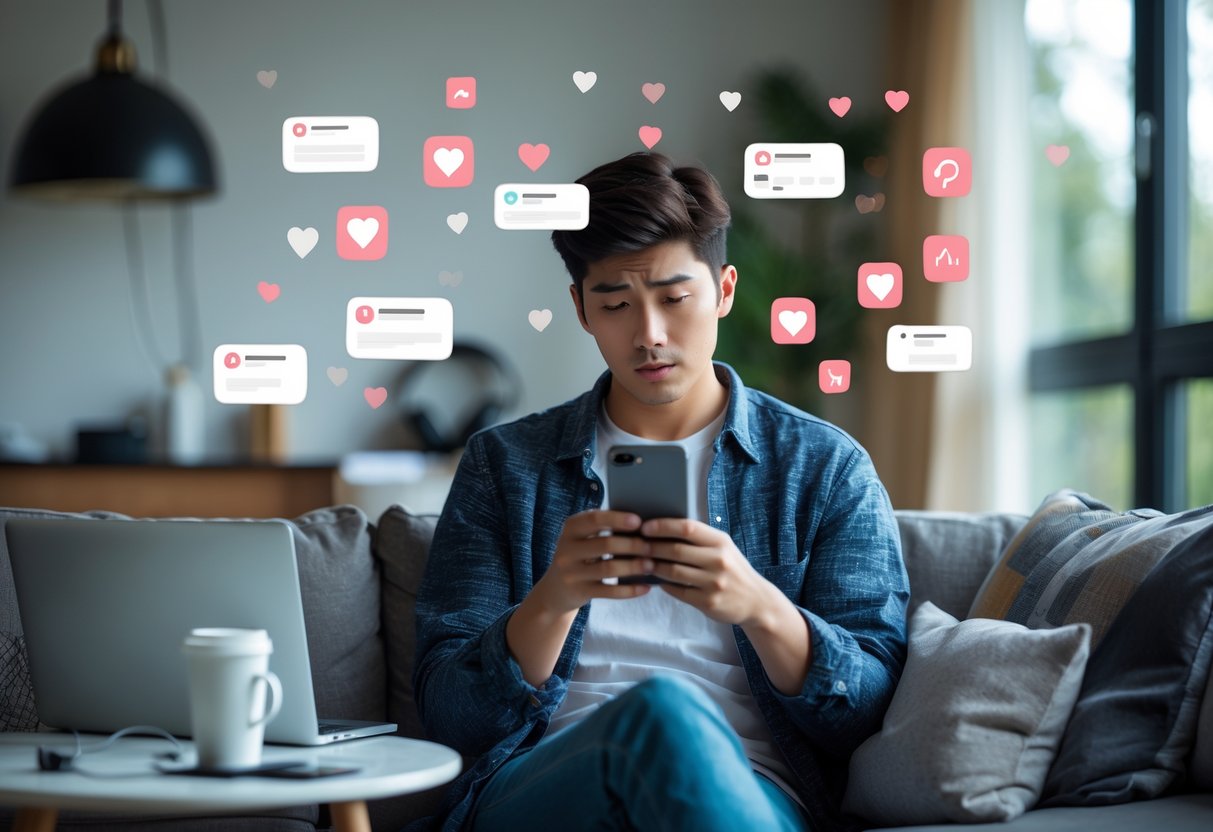
When you develop crushes online, the experience feels different than face-to-face. Social media, dating apps, and privacy settings all shape how you connect, what you reveal, and how safe your personal data stays.
How Sites and Apps Influence Crushes
Dating apps and social platforms make it easy to discover new people. You might find a crush through shared interests on TikTok or while scrolling Instagram stories.
These sites and apps use search data, geolocation data, and analytics to recommend profiles. Sometimes your crushes feel almost curated for you.
Platforms also collect personal data like your IP address, browsing habits, and even what posts you linger on. Companies such as the Yahoo family of brands use cookies to authenticate users, measure content performance, and develop services.
While this helps prevent spam and abuse, it also means your crush-related activity is tracked. Knowing how apps work behind the scenes helps you balance fun interactions with awareness of how much data you’re giving away.
Managing Privacy Settings and Data
If you’re chatting with a crush online, your privacy settings matter. Most platforms offer tools like cookie settings, privacy dashboards, and account controls so you can decide what info gets shared.
For example, you can limit how much of your activity is used for audience research or targeted ads. Always review the privacy policy and cookie policy of the apps you use.
Many follow frameworks like the IAB Transparency & Consent Framework, which gives you more control over how companies handle your data.
It’s smart to adjust these settings before you dive into online flirting. Doing so helps you protect your personal data, reduce tracking, and avoid awkward oversharing.
Think of it as setting boundaries not just with people, but with the platform itself.
Online Crushes vs. In-Person Crushes
Crushes online can feel more intense because of constant access. You can check someone’s posts, stories, and likes at any time.
This can lead to overthinking or comparing yourself to their highlight reel. In-person crushes rely more on direct interaction.
You pick up on tone, body language, and real-world context that apps can’t capture. Without those cues, online crushes are easier to misinterpret.
Still, online crushes aren’t bad. They can grow into meaningful relationships if you combine digital interaction with clear communication and healthy boundaries.
Just remember that while apps connect you, they also shape how you see and experience attraction.
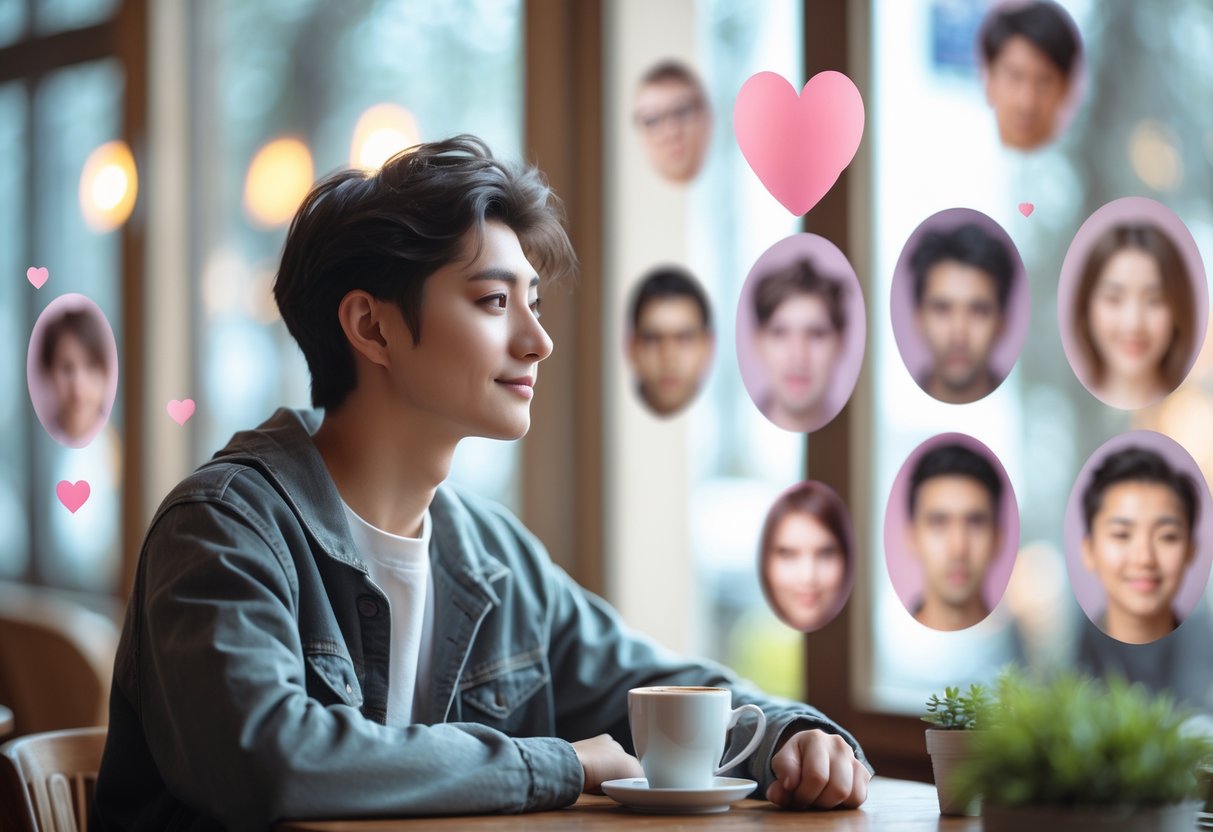
Having several crushes at once can feel exciting, but it may also leave you confused or even drained. Paying attention to your emotions, setting limits, and knowing when to reach out for help can make the experience healthier and less overwhelming.
Self-Reflection and Setting Boundaries
When you notice yourself crushing on many people, take a step back and ask what these feelings mean to you. Sometimes a crush is about attraction, but other times it’s about curiosity, loneliness, or wanting more intimacy in your life.
Writing in a journal can help you see patterns. For example, do your crushes happen when you feel stressed, bored, or disconnected from your friends?
Recognizing these triggers gives you more control. Boundaries matter too.
If you’re in a relationship, think about what feels respectful to your partner. Flirting or fantasizing might feel harmless, but it could cross a line if it starts to affect trust.
Researchers note that many adults in committed relationships still experience crushes, but most people don’t act on them because they want to protect what they already have (Psychology Today).
Simple steps like limiting how much time you spend daydreaming or avoiding situations that fuel the crush can keep things balanced. Boundaries aren’t about shutting down feelings—they’re about making sure those feelings don’t take over.
Balancing Crushes With Personal Growth
Crushes can feel exciting, sometimes even a little addictive. Still, it’s worth asking: do these crushes add something good to your life, or do they pull you away from what matters?
You might use that rush of emotion as fuel. Pour that energy into hobbies, learning, or exercise.
Staying focused on personal growth helps you avoid letting attraction turn into a habit or emotional addiction.
Think about how you handle intimacy. If you notice lots of crushes, maybe you’re searching for connection but aren’t sure how to get closer to people.
Try open conversations with friends or partners. That often helps you meet those needs in a healthier way.
A quick list can help clarify things:
- Positive effects: more energy, inspiration, motivation.
- Negative effects: distraction, jealousy, loss of focus.
When to Seek Support
Sometimes crushes stay light and easy. Other times, they take over your thoughts.
If you find yourself obsessing, losing sleep, or struggling to focus, talk with someone you trust.
Support can come from friends, family, or a counselor. A professional might help you figure out if your crushes connect to deeper needs, like wanting intimacy, or if you’re masking other unhappiness.
If you’re in a relationship, talk with your partner about boundaries. That can ease guilt and prevent misunderstandings.
Research suggests crushes often bring both excitement and guilt. Sharing your experience may reduce the pressure (Listen Hard).
Sometimes just saying your thoughts out loud makes them easier to handle.
Frequently Asked Questions

Most people feel drawn to more than one person at some point. Crushes can mean a lot of things, depending on where you’re at in life.
Sometimes they’re just harmless fun. Other times, they can change how you see your relationships or even yourself.
Is it normal to like multiple people at once?
Yeah, it’s normal. You might find yourself attracted to different qualities in different people.
Having more than one crush doesn’t mean you’re lost. It just shows that feelings get complicated.
How many crushes is too many?
There’s no magic number. If your crushes don’t mess with your daily life, it’s usually fine.
But if you spend most of your time thinking about them and it distracts you from school, work, or friends, it might feel overwhelming.
Can having multiple crushes affect my relationships?
It can, depending on what you do with those feelings. If you’re in a relationship, a crush might stay harmless if you don’t act on it.
If you start wanting more from someone else, it could mean there’s something up with your current relationship. This article from Forbes has more thoughts from a psychologist.
What does it mean if I’m always crushing on someone?
Maybe you just like the spark of new feelings. Crushes can give you a boost of energy or confidence.
If you always need a crush to feel good, ask yourself if you’re using those feelings to avoid something else.
How do I handle having crushes on several people?
Keep it in perspective. You don’t have to act on every crush.
Try to enjoy the fun side of it, and if it gets distracting, focus on hobbies, friends, or goals that keep you grounded.
Is it a sign of something else if I constantly develop new crushes?
Not always. Some folks just have a flirty or curious streak.
If you keep losing interest in one person or start using crushes to avoid your problems, it might point to some deeper needs you haven’t dealt with yet.