

Your husband might feel miles away, even when he’s right beside you. You ask how he’s doing, and all you get is a shrug or silence.
This can leave you feeling alone in your own marriage.

Avoidant behavior usually comes from how someone learned to deal with closeness and emotions early on, not from a lack of love. Many husbands who pull away just don’t know how to talk about feelings, handle arguments, or meet emotional needs in the way you might hope.
This doesn’t mean your marriage is doomed, but it does mean the emotional distance between you needs attention.
Understanding why your husband acts this way can help you respond in a way that supports emotional connection. Instead of pushing him away, you might find a path forward.
This article covers the signs of avoidant behavior, common causes behind it, and steps you can take for your own well-being while working toward a stronger bond.
Key Takeaways
- Avoidant behavior in a husband often shows up as pulling away, avoiding conflict, or struggling to share feelings.
- Past experiences and learned coping habits often explain why a husband avoids closeness rather than a lack of care.
- Calm communication, patience, and self-care can help improve connection, though professional support may be needed in some cases.
Recognizing Avoidant Patterns in Marriage
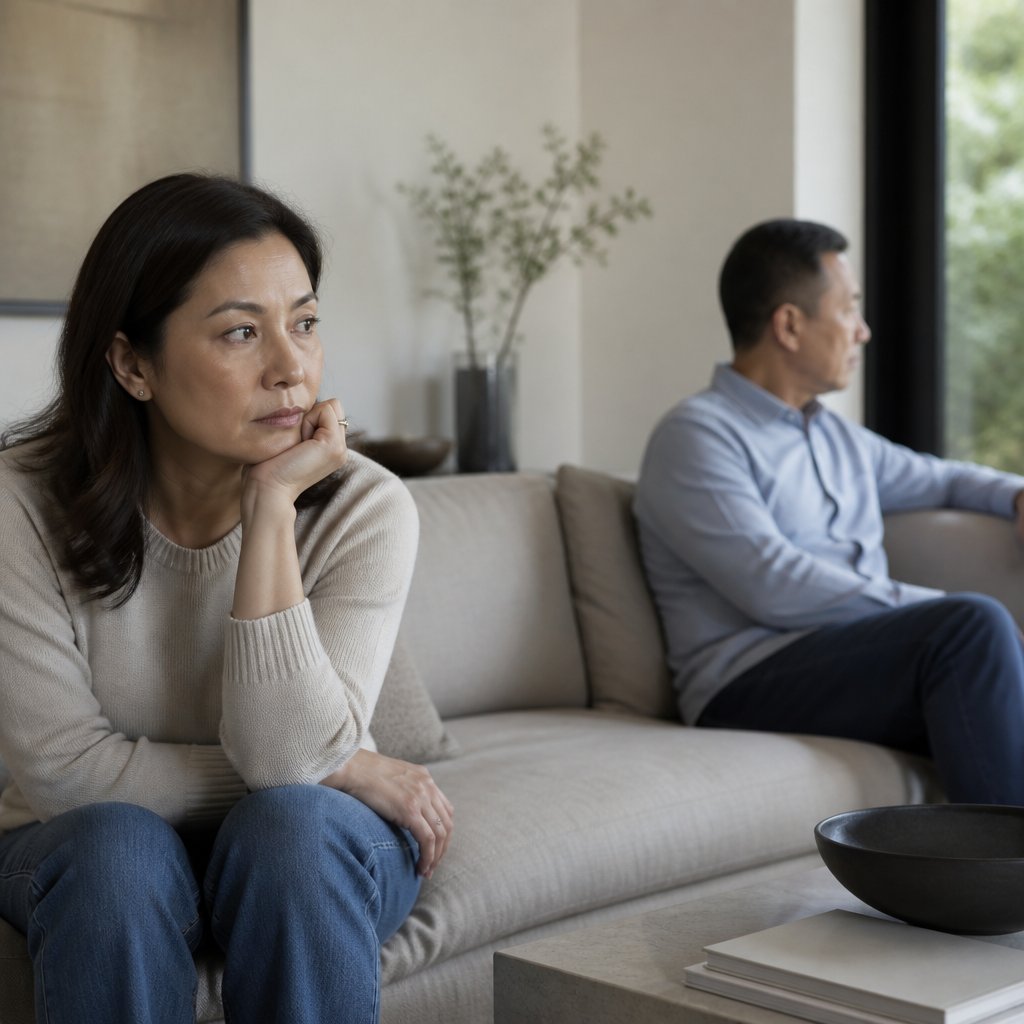
An avoidant partner often acts distant, feels uncomfortable with closeness, and wants a lot of independence. Spotting these patterns can help you see what’s really going on between you two.
Common Signs of Emotional Withdrawal
Some signs are subtle and easy to miss. Maybe your spouse changes the subject when things get personal, or you only get quick, surface-level answers.
Here are patterns you might notice:
- Pulling away right after you share a close moment
- Staying busy with work or hobbies to avoid deeper talks
- Saying “I’m fine” even if something is clearly off
- Using jokes to dodge serious topics
- Going silent during disagreements instead of working things out
These habits can be signs of avoidant attachment in marriage. Your partner might not even realize they’re doing this.
How Avoidance Can Affect Intimacy and Trust
Emotional distance slowly chips away at closeness in a marriage. If one partner keeps pulling back, the other might start to feel unwanted or alone, even in the same room.
This pattern can make intimacy—emotional or physical—feel out of reach. You might start to wonder if your partner really wants to be close at all.
Trust can suffer, too. You may find yourself questioning:
- Why does my partner keep pulling away?
- Do they care as much as I do?
- Is sharing my feelings even worth it anymore?
Trust usually breaks down after repeated withdrawal, not just one big fight. Repeated patterns of withdrawal during conflict or stress can really wear you down.
Avoidance Versus a Need for Healthy Space
Not every bit of distance means someone is avoidant. Everyone needs alone time, and wanting space is totally normal.
The real difference is in how and why your partner takes that space.
| Healthy Space | Avoidant Pattern |
|---|---|
| Tells you they need time alone | Disappears without explanation |
| Comes back ready to talk | Avoids the topic later, too |
| Uses space to reset | Uses space to escape conflict |
With healthy space, your partner returns and reconnects. An avoidant partner tends to use distance to dodge disagreements instead of recharging.
What May Be Behind His Avoidance
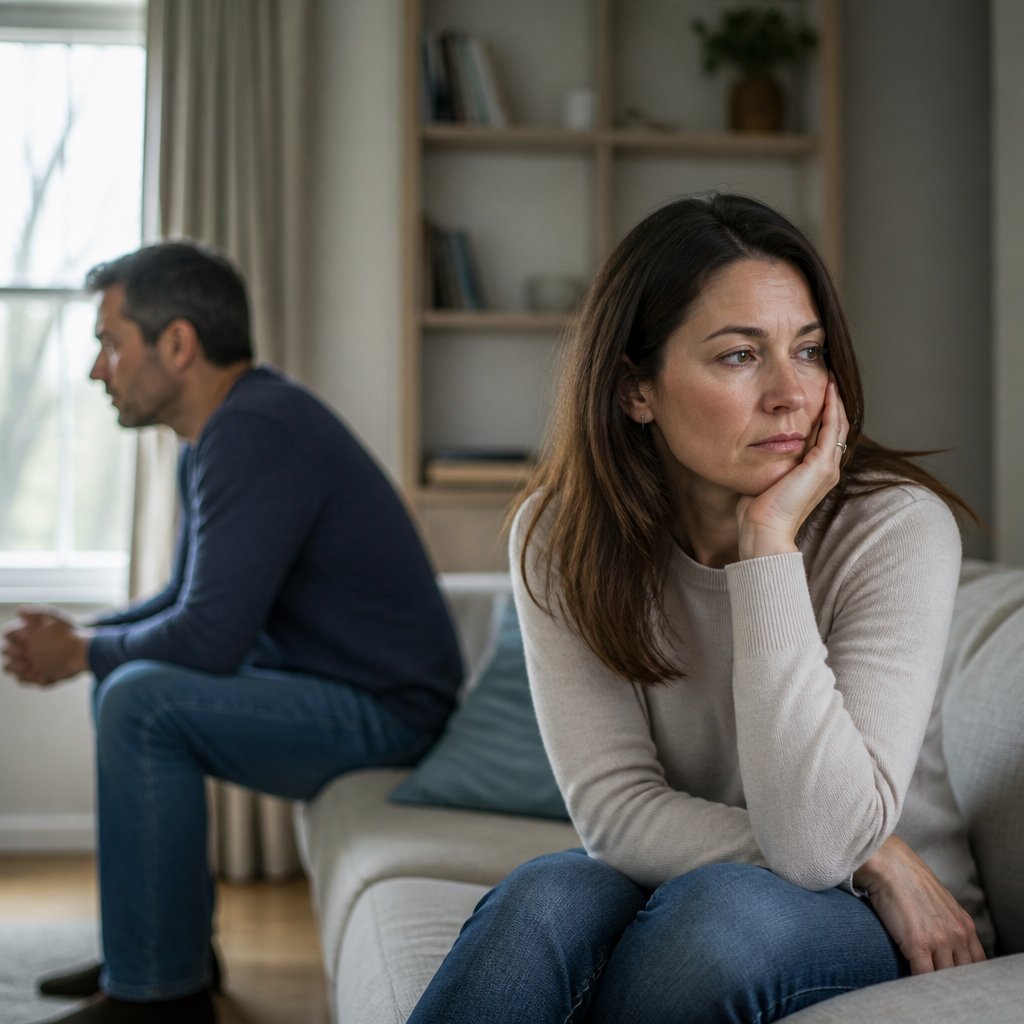
Your husband’s avoidance usually comes from a mix of early life experiences, stress, and social messages about how men should deal with emotions. Knowing these root causes can help you respond with more understanding and less frustration.
Avoidant Attachment and Early Experiences
Attachment theory suggests your husband’s behavior connects back to his childhood. If his caregivers were inconsistent or didn’t respond much, he may have learned to rely only on himself.
This is called avoidant attachment. It usually forms before a child even has the words to describe it.
Kids who grow up this way figure out that asking for comfort doesn’t work, so they just stop asking.
As adults, they show strong self-reliance and act like they don’t need much emotionally, even if deep down they do.
Stress, Trauma, and Protective Coping
Stress and trauma can also drive avoidant behavior. If someone has been through tough or overwhelming experiences, pulling away can feel like the safest option.
This isn’t always about your marriage. Work stress, family problems, or old wounds can all spark the same withdrawal.
Your husband might not see the link between his behavior now and what happened before. Avoidance just becomes his go-to way of coping when he feels stressed, criticized, or exposed.
It’s a protective habit, not a choice to hurt you.
A lot of men grow up hearing that showing emotion is weak. Phrases like “boys don’t cry” or “be tough” stick with them.
Your husband might have taken in these lessons without even realizing it. That makes it hard for him to talk about feelings, even if he wants to.
Common messages guys get include:
- Hide sadness or fear to look strong
- Solve problems alone instead of asking for help
- Skip emotional talks so they don’t seem weak
- Stay in control no matter what
These messages don’t excuse avoidance, but they do help explain it.
Distinguishing Attachment Patterns From Personality Disorders
Attachment styles and personality disorders aren’t the same thing. A dismissive-avoidant attachment style is a relationship pattern, not a mental health diagnosis.
It can change over time with effort.
Avoidant personality disorder is a clinical issue involving intense fear of rejection and social situations. That’s much less common and needs a professional to diagnose.
Most husbands who seem distant are dealing with dismissive-avoidant attachment, not a personality disorder. Knowing the difference matters for how you approach things.
How to Communicate Without Escalating Distance
Small tweaks in how and when you talk can really help with an avoidant husband. The right timing and tone can lower his guard and open up real conversation.
Choose Calm Timing and Make Specific Requests
Timing is huge. Don’t bring up tough topics when he’s stressed, tired, or distracted.
Pick a calm moment when you both have time and space.
Be clear about what you need. Saying “we need to talk” can sound scary and make him clam up.
Instead, try, “Can we spend 20 minutes tonight talking about our weekend plans?” That sets expectations and makes things feel safer.
It also helps reduce pressure and build trust.
Use Active Listening, Empathy, and Validation
Active listening is about giving your full attention and showing you understand. Put your phone down. Make eye contact. Repeat back what he says in your own words.
Empathy and validation matter here. You don’t have to agree with everything, but you can acknowledge his feelings.
Phrases like, “That makes sense,” or “I get why you’d feel that way,” can go a long way.
When someone feels heard, they’re less likely to shut down. Over time, this builds trust and can make honest talks easier.
Respect Space While Maintaining Open Communication
Avoidant partners often need time to process. Pushing for answers right away can make things worse.
Give him room to think, but keep the door open. Say something like, “Take your time. I’m here when you’re ready to talk.”
That respects his need for space but doesn’t cut communication. Patience really helps here.
Setting a time to check back in can also work. For example, “Let’s talk tomorrow morning,” keeps things moving without pressure.
Handle Conflict With Boundaries and Compromise
Arguments happen, but how you handle them shapes your relationship. Set clear boundaries for conflict—maybe you both agree not to yell or call names.
Avoiding arguments completely isn’t helpful. Try to have calm, direct talks that focus on finding solutions.
Look for compromise instead of trying to “win.” If he needs downtime after work before talking, agree on a set time later.
A predictable approach can keep things from blowing up and support better emotional sharing for both of you.
Protecting Your Emotional Well-Being
Living with an avoidant husband can drain your emotional health if you don’t set boundaries and check in with your own needs. Your well-being depends on how you respond to his withdrawal, not on changing him.
Do Not Make His Withdrawal a Measure of Your Worth
Your husband’s distance says more about his attachment style than about you. Avoidant behavior usually starts in childhood, way before you met.
It’s not a reflection of your value as a partner.
If you tie your self-esteem to his reactions, you end up letting him decide how you feel about yourself. Try to separate his actions from your self-worth.
He might pull away even when things are going well. That pattern is his, not yours.
Remind yourself of this every day if you need to. Write down your own strengths and wins as a reminder.
Regulate Anxiety Before Responding
Conflict with an avoidant partner can trigger real anxiety, especially when he shuts down mid-conversation. Reacting while anxious usually makes things worse, so calming your body first is a smart move.
Avoidant partners tend to withdraw further when pressure or intensity increases. Managing your own response can make a real difference.
Try these coping mechanisms before you jump in:
- Deep breathing: Inhale for four counts, hold for four, exhale for four.
- Pause and name the feeling: Tell yourself, “I feel anxious right now.”
- Delay your reply: Wait a few minutes before you answer a tense text or comment.
A little mindfulness, like noticing your breath or grounding yourself in the present, can lower stress before you talk to him.
Maintain Support, Interests, and Self-Care
Don’t put your life on hold waiting for your husband to open up emotionally. Keep your friendships, hobbies, and routines going.
Staying active protects you from feeling isolated if he keeps his distance. Self-care should include both physical and mental habits, like exercise, sleep, and spending time with people who make you feel heard.
A support group for partners of avoidant individuals can offer perspective and help with loneliness. Many people in these relationships find outside connection and honest conversation with others who understand the pattern really helpful.
Give yourself alone time, separate from efforts to reach him. This supports your emotional well-being and personal growth.
Notice When Resentment or Emotional Harm Is Growing
Pay attention to how you feel over weeks and months, not just right after an argument. If resentment is building, your needs probably aren’t being met regularly.
Ask yourself:
| Sign | What It May Mean |
|---|---|
| You feel numb or indifferent | Emotional exhaustion may be setting in |
| You avoid raising issues | Fear of conflict may be replacing honest communication |
| You feel more alone with him than without him | The relationship may not be meeting basic emotional needs |
If these patterns stick around, talking to a therapist can help. A relationship with an avoidant partner can move toward secure attachment with effort from both people, but only if you address the emotional harm.
When Change Is Possible and When to Seek Help
Some avoidant patterns soften over time with effort from both partners. Watching for real signs of change, understanding what professional help can do, and knowing when to set limits helps you figure out your next steps.
Signs He Is Willing to Build Emotional Intimacy
Small actions often say more than words. Look for signs he’s trying, even if progress feels slow.
Watch for these behaviors:
- He stays present during hard conversations instead of leaving the room.
- He shares a feeling without being asked twice.
- He asks about your day and remembers details.
- He apologizes without getting defensive.
- He agrees to try new ways of connecting, like date nights or check-ins.
These changes point to growing trust and a willingness to build emotional connection. Progress may be uneven, and that’s honestly pretty normal.
What matters most is a pattern of effort over time, not perfection every day.
What Individual and Couples Therapy Can Address
Therapy gives both of you tools that are tough to build alone. Couples therapy can create a safer space for him to open up without feeling attacked.
A counselor can guide conversations about emotional needs and help you both practice vulnerability in small, manageable steps. Individual therapy matters too.
He can explore where his avoidant patterns started, often way back in childhood. This kind of work supports personal growth and can move him toward more secure attachment.
For you, individual therapy or counseling is a place to process your feelings and strengthen your sense of self outside the relationship. Encouraging him to seek therapy works best when you frame it as support, not pressure.
Setting Limits When Needs Remain Unmet
Effort needs to go both ways. If you’ve communicated your needs clearly and given him real chances to grow, but nothing changes, it’s fair to set healthy boundaries.
This might look like:
| Boundary | Example |
|---|---|
| Time limits | Agreeing to revisit the issue in three months if no change occurs |
| Communication limits | Asking for a check-in conversation once a week |
| Relationship limits | Deciding you need couples counseling before continuing as is |
Mutual understanding can’t happen if only one person is doing the work. You deserve a relationship built on trust and emotional connection.
If his avoidance doesn’t budge despite your efforts, you might need to decide what you’re willing to accept moving forward.
Frequently Asked Questions
Avoidant husbands often show patterns in daily habits, conflict, and physical closeness. Knowing what to expect can help you respond in ways that keep your relationship steady.
What are the signs of an avoidant husband in a marriage?
An avoidant husband often pulls back right after moments of closeness. You might notice this after a good weekend together, when he suddenly gets quiet or finds something else to do.
He may avoid deep talks about feelings. He answers questions but doesn’t really share much below the surface, even when you ask directly.
This pattern of surface-level engagement can leave you feeling like you can’t quite reach him. Other signs include trouble asking for help and discomfort with body language during emotional talks, like avoiding eye contact.
Why does my husband withdraw emotionally during conflict?
His brain may try to shut down strong feelings before they build. Research shows that avoidant adults often use deactivating strategies like pulling away, going quiet, or finding fault with their partner when stress rises.
This isn’t something he plans out. It’s an automatic reaction his nervous system learned a long time ago, often way back in childhood.
Male socialization can add to this pattern too. A lot of men are taught early to hide feelings, which can make emotional distance feel normal instead of something to fix.
How does a dismissive-avoidant husband typically treat his wife?
A dismissive-avoidant husband usually values independence above almost everything else. He may keep you at a distance, both emotionally and physically, even while staying committed to the marriage.
He often avoids deep talks about feelings and may deflect attempts at intimacy. These husbands tend to prioritize self-sufficiency and personal space, which can come across as cold even when that’s not what he means.
He may not even see this behavior as a problem. To him, keeping some distance just feels normal and safe.
What triggers an avoidant partner to pull away?
Closeness itself is often the trigger. A tender weekend, a vulnerable conversation, or plans that feel like commitment can all set off withdrawal.
Studies show that avoidant adults activate self-regulating brain areas quickly when facing emotional closeness. They manage the feeling before it can turn into a request for connection.
His pulling away usually isn’t about something you did wrong. Feeling pressured to share feelings or being asked to depend on someone else can also cause him to step back further.
Why do avoidant partners withdraw from physical intimacy?
Physical closeness can feel just as risky to an avoidant husband as emotional closeness. Touch, especially after a vulnerable moment, can trigger the same alarm response that causes emotional withdrawal.
An avoidant husband might deflect intimacy and keep physical distance to manage discomfort with dependency. It’s usually not about attraction.
It’s about controlling how close he lets himself get.
How can I communicate effectively with an avoidant husband?
Timing and tone matter more than picking the perfect words. If you bring up sensitive topics when he’s calm, not in the middle of an argument, he’s more likely to stay present instead of shutting down.
Try to keep your requests specific and direct. Don’t push for an immediate emotional response. Letting him have room to process before responding usually helps avoid pressure that leads to withdrawal.
Some coaches even recommend scripts designed for anxious-avoidant dynamics. These can lower the chances of a shutdown during tough conversations.
Couples counseling might help too. A therapist who understands attachment styles can guide you both toward healthier communication habits.