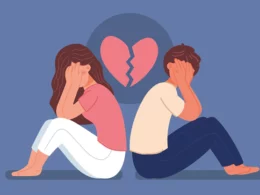




When you find out your boyfriend cheated, the shock hits hard. You might feel angry, sad, confused, or even numb all at once.
Cheating breaks trust and instantly changes how you see your relationship.

You start questioning everything. Why did it happen? What does it mean? What now?
Some people try to hold on and rebuild. Others decide the damage runs too deep.
Either way, you face choices that can shape your future in big ways. It’s a lot to process, and it’s not something you just bounce back from overnight.
Key Takeaways
- Cheating causes an immediate emotional impact that feels overwhelming
- Understanding the reasons behind it can help you process the situation
- Your response and choices shape how you move forward
Immediate Emotional Impact of Cheating
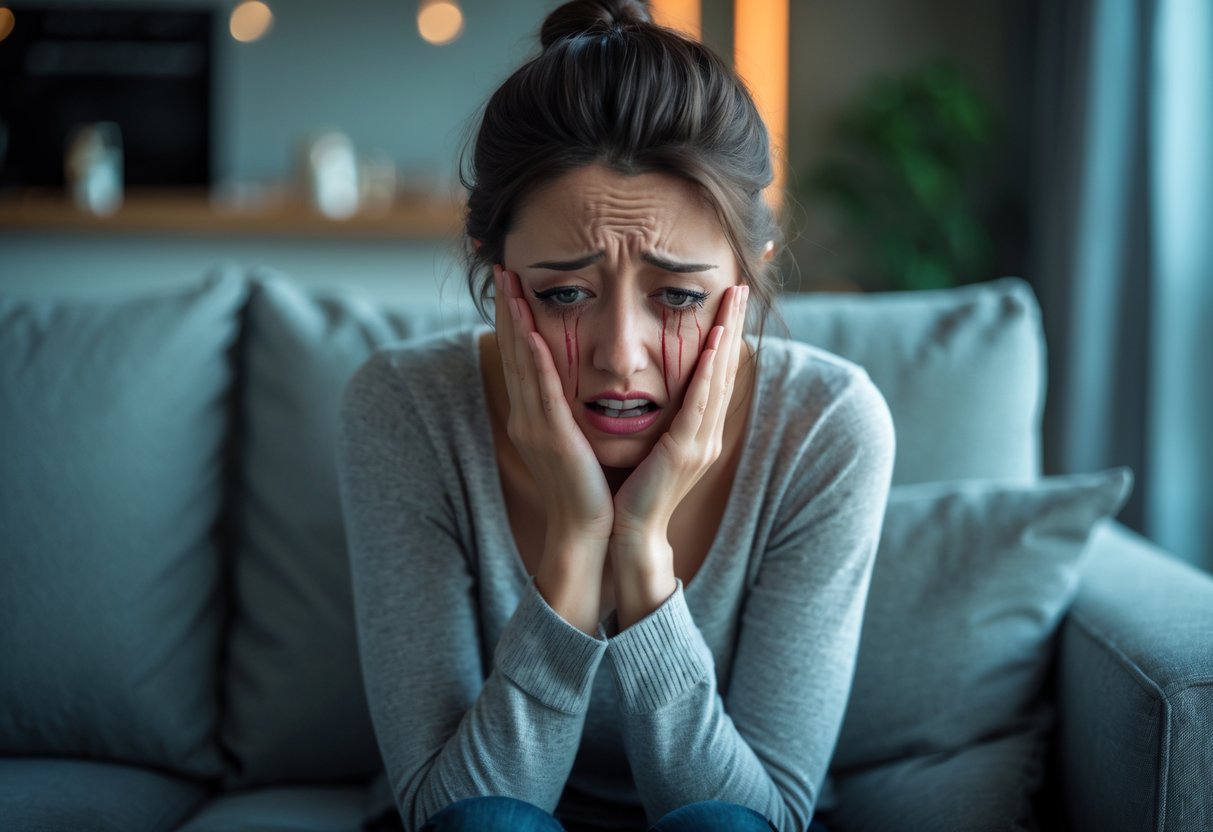
When you find out your boyfriend cheated, the experience can hit your mind and body hard. The mix of betrayal, shock, and emotional pain can affect how you think, feel, and even function day to day.
Shock and Betrayal Trauma
The first thing you feel is usually shock. Your brain struggles to process that someone you trusted broke that trust.
This can leave you numb or disconnected from reality. Betrayal trauma is real and can feel like anxiety or even post-traumatic stress.
You might replay the moment you found out. Flashbacks and feeling on edge are pretty normal when your sense of safety vanishes.
Some people notice physical signs too. Trouble sleeping, racing thoughts, or even stomach pain show up as your body reacts to the stress.
It’s your system trying to adjust to the emotional blow.
Processing Your Emotional State
After the initial shock, your emotions might swing wildly. One minute you’re angry, the next you feel crushed.
This happens because your mind is trying to make sense of what feels like a sudden loss. You may also question your own self-worth.
It’s common to wonder if you did something wrong, but cheating is about your partner’s choices, not your value. Recognizing that can help you avoid getting stuck in self-blame.
Naming what you’re feeling helps. Write your emotions down or talk to someone you trust.
Identifying if you’re feeling grief, anger, or confusion can make it a bit easier to manage.
Common Reactions to Infidelity
Being cheated on brings a mix of reactions that can feel overwhelming. Some of the most common include:
- Anger and resentment toward your partner
- Sadness and grief over the loss of trust
- Confusion about what to do next
- Anxiety about the future of the relationship
According to infidelity research, many people also deal with intrusive thoughts and hypervigilance. You might find yourself constantly scanning for signs of more betrayal.
These reactions can mess with your sleep, focus, and even your work. You might also feel embarrassed or isolated.
Betrayal often makes people pull away from friends or family because it feels hard to explain. Still, reaching out for support is one of the best ways to ease the weight of infidelity.
Understanding Why Cheating Happens
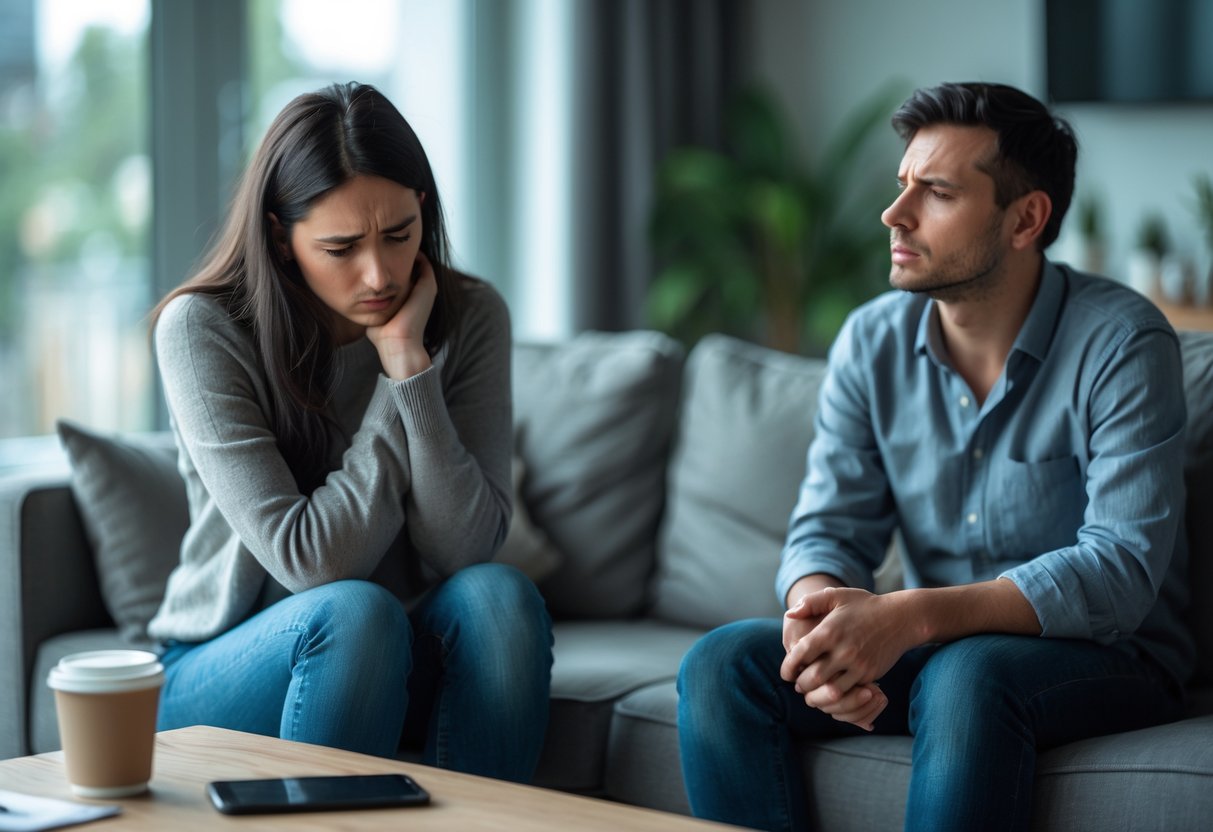
Cheating doesn’t have just one cause. It often comes from unmet needs, personal struggles, or patterns in the relationship that push someone toward an affair.
Looking at these factors can help you see that infidelity is usually more about the cheater than about you.
Common Reasons for Affairs
People cheat for all kinds of reasons, and not all of them are about love or attraction. Sometimes it’s about unmet emotional or physical needs.
If your partner feels ignored or disconnected, they might look for closeness elsewhere. Other times, it’s about opportunity.
If someone is in the right place at the wrong time, temptation can play a big role. Studies show that infidelity often stems from anger, lack of commitment, or unmet needs.
Some cheaters want attention to boost their self-esteem. Getting noticed by someone new can make them feel attractive or valued.
Others just want variety, even if their relationship seems stable. None of these reasons excuse affairs.
They just explain why some people cross that line.
Patterns of Infidelity in Relationships
Infidelity usually follows certain patterns. Cheaters might start with small steps, like secret texting or oversharing with someone outside the relationship.
These behaviors can turn into emotional or physical affairs over time. Cheating often happens when communication breaks down.
If your partner avoids tough conversations, they might turn to someone else instead of working things out with you. Some people repeat this behavior in multiple relationships.
Research shows that cheaters may struggle with long-term commitment, making them more likely to be unfaithful again.
Patterns can also depend on life stage. Younger couples might deal with impulsive affairs, while older couples could face emotional infidelity tied to loneliness or midlife changes.
How Cheaters Rationalize Their Actions
Cheaters often create mental justifications for what they did. They might tell themselves the affair doesn’t matter because it was “just physical” or because they still love their partner.
Some blame their partner, saying things like, “You weren’t giving me enough attention,” to shift responsibility. Others try to downplay the situation by comparing themselves to “worse” cheaters.
For example, they might think emotional infidelity isn’t as serious as a full-blown affair. Psychologists say many people who cheat still claim to love their partners.
This shows how someone can hold conflicting feelings—wanting the relationship but also wanting something outside of it. These rationalizations don’t erase the harm.
They just show how cheaters try to live with the guilt.
What to Do After Discovering Cheating
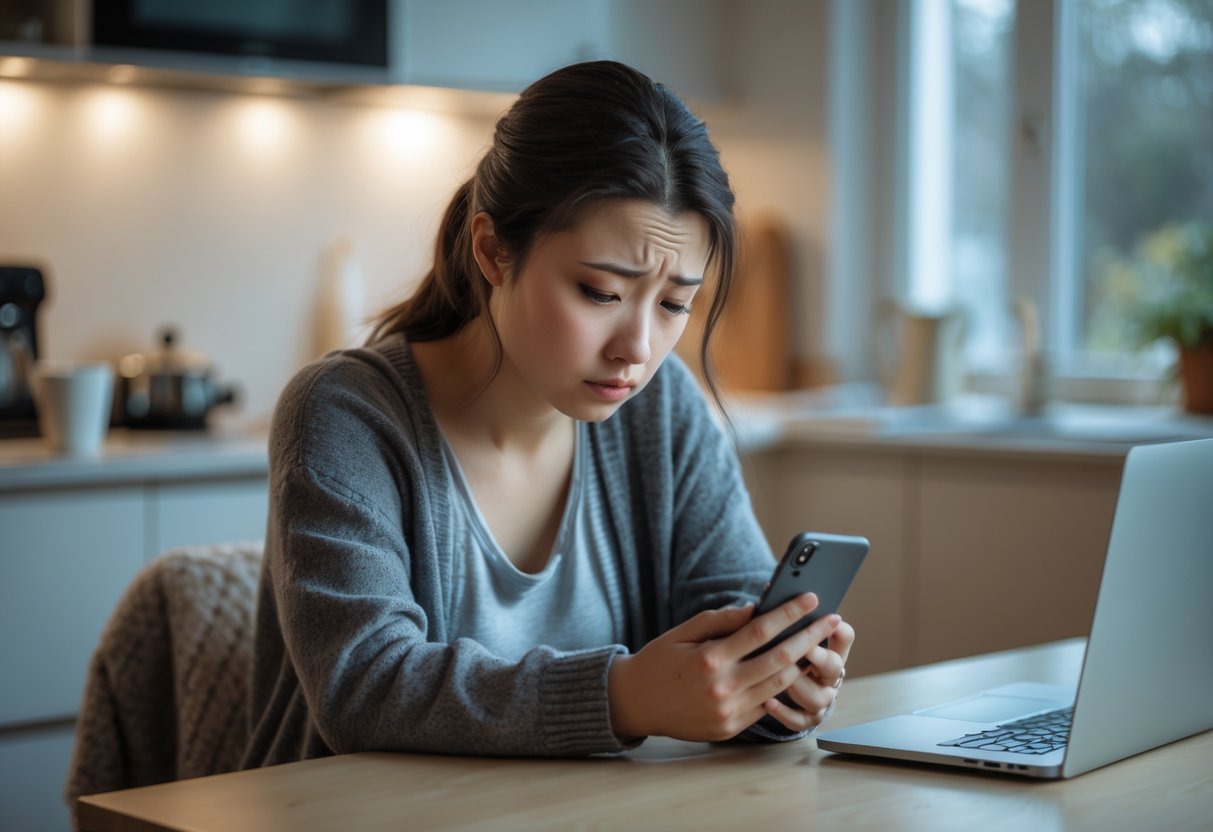
When you find out your boyfriend cheated, you face a mess of emotions and tough choices. Focusing on your own well-being, setting boundaries, and getting the right support can help you move forward in a healthier way.
Taking Care of Yourself First
Your first step is to focus on self-care. Cheating can leave you shocked, angry, or numb.
These emotions drain your energy and make it hard to think straight. Make sure you eat, sleep, and move your body.
Even a short walk or a healthy meal can help you feel a bit more grounded. Try not to skip meals or rely on alcohol to cope.
Writing down your thoughts helps. Journaling gives you space to release feelings without judgment.
Some people also find meditation or deep breathing useful for calming stress. If daily tasks feel impossible, remind yourself that’s normal after betrayal.
Give yourself permission to rest and take things one step at a time.
Setting Boundaries and Expectations
You need to decide what contact feels safe and respectful for you. Boundaries give you control when everything else feels shaky.
Maybe you set limits on when and how you communicate. You might choose not to discuss details of the affair right away, or you may want full honesty before deciding your next steps.
Boundaries can also mean physical space. You might ask for time apart or request that your partner stays somewhere else for now.
Be clear and direct about your needs. Say things like, “I need space for a week,” or “I can’t talk about this late at night.”
Consistency helps both of you understand what’s expected.
Deciding Whether to Stay or Leave
Once the shock fades, you have to decide if you want to continue the relationship. This choice is deeply personal and depends on your values, trust, and what you want long term.
Some people know they can’t rebuild trust. Others believe healing is possible with effort from both sides.
If you stay, you’ll need open communication and a plan to address the betrayal. If you leave, focus on creating stability for yourself.
That could mean leaning on friends, changing living arrangements, or getting financial advice. There’s no timeline for this choice.
Take the time you need before making a final decision. Either path is valid.
Seeking Support from a Therapist
Talking with a therapist really can help. Individual therapy gives you a safe place to process anger, sadness, and confusion.
It also helps you figure out what you need moving forward. If you’re considering repairing the relationship, a couples therapist can guide conversations in a structured way.
They can help you and your partner talk about trust, boundaries, and expectations without it turning into a fight. Therapy isn’t just for saving the relationship.
It’s also valuable if you decide to end things. A professional can support you through grief and help you rebuild your confidence.
If therapy isn’t an option, lean on trusted friends or family. Just be careful about oversharing with too many people.
Experts recommend talking only to those who can truly support you without judgment, as noted in this guide on handling infidelity.
Long-Term Effects and Moving Forward

When your boyfriend cheats, the impact doesn’t end with the breakup or the discovery. It can affect how you see yourself, how you trust others, and even your health down the road.
Effects of Cheating on Future Relationships
Cheating often leaves you questioning trust in new partners. You might second-guess their actions, read into small details, or feel suspicious even without proof.
This is a common effect of betrayal and can make it harder to relax in future relationships. Some people also struggle with low self-esteem.
You might wonder if you weren’t “enough” or if you did something wrong, even though cheating was your partner’s choice. These doubts can follow you into new connections.
It’s also possible to carry fear of commitment. After being hurt, you might avoid serious relationships to protect yourself.
Recognizing these patterns matters because they can stop you from building healthy bonds. Therapy or honest talks with future partners can help you set boundaries and rebuild confidence.
Resources like long-term psychological effects of infidelity explain how common these struggles are and why working through them is important.
Healing from Betrayal and Rebuilding Trust
Healing after betrayal takes time. You might feel anger, sadness, or even numbness, and all of these reactions are normal.
Give yourself space to process instead of rushing into another relationship. Trust is often the hardest part to rebuild.
If you stay with your partner, both of you need open communication and consistent actions to show change. If you move on, you’ll need to slowly let yourself believe that not everyone will hurt you the same way.
Practical tools help. Journaling, therapy, or support groups give you a safe outlet to work through emotions.
Some people set small trust-building steps, like being honest about daily plans or checking in with partners. According to Choosing Therapy, forgiveness doesn’t always mean staying together.
It can also mean letting go of resentment for your own peace of mind.
Health Considerations After Infidelity
Cheating isn’t just emotional—it can mess with your health too. If your boyfriend cheated, there’s a real risk of exposure to sexually transmitted infections.
Even if you feel fine, getting tested is a smart move. It’s about protecting your health, not just reacting to symptoms.
Stress from betrayal doesn’t just live in your head. You might find yourself tossing and turning at night or skipping meals.
Anxiety can stick around, draining your energy and making your immune system take a hit. These physical reactions are surprisingly common.
Mental health takes a hit too. Some people get stuck with intrusive thoughts or emotional triggers that pop up out of nowhere.
It’s not weakness—it’s just how some minds process shock. You’re not alone in that.
Checking in with both your body and mind really matters. Healthy routines and talking to a pro can help you move forward.
Here’s BetterHelp’s guide on psychological impacts of cheating if you want a deeper dive.
Frequently Asked Questions

When you find out your boyfriend cheated, it hits hard. Hurt, anger, confusion—there’s no easy way through it.
You might wonder if you should stay or walk away. Maybe you even think about trying to rebuild what was broken.
How do I cope with the pain after finding out my boyfriend cheated?
Give yourself some time. Shock, sadness, disbelief—they all show up.
Talking with friends, family, or a therapist can help you carry the weight. You don’t have to do this alone.
Is it possible to forgive my boyfriend for cheating and move on?
Forgiveness is possible, but it’s never simple. It depends on how you feel and if he takes responsibility.
Some people find peace in letting go. Others realize they just can’t move past it.
What should I do if my boyfriend has cheated on me multiple times?
Cheating more than once usually means it’s a pattern. You need to ask yourself if trust is even possible anymore.
Consistent betrayal makes rebuilding trust feel almost impossible. Sometimes, walking away is just healthier.
Can a relationship survive after one partner has been unfaithful?
Some couples do stay together after cheating, but it’s tough. It takes honest communication and real effort from both sides.
You need time to process what happened. Psychology Today has more on deciding if the relationship is worth saving.
How do I confront my boyfriend about cheating without losing him?
Try to stay calm and stick to the facts. Share what you know or suspect, and ask for honesty.
If he denies or dodges, you’ll have to decide what you can live with. It’s never easy, but you deserve the truth.
What are some ways to rebuild trust if I decide to stay with my cheating boyfriend?
Rebuilding trust takes time. Consistent actions matter more than promises.
You’ll probably need honest conversations. Set clear boundaries together.
Sometimes, it helps to get professional support. As Sagebrush Counseling points out, taking real responsibility and putting in visible effort can make a difference.