

When your girlfriend is on her period, her body shifts in ways that can shake up her mood and comfort. She might feel tired, sore, or more emotional than usual.
Your job is to try to get what she’s going through and find ways to help her feel supported, not overwhelmed.
You don’t have to be an expert. Patience and empathy go a long way.
Little things like helping with chores, grabbing her favorite snacks, or just giving her space when she asks can really help. Knowing what helps and what doesn’t will keep things smoother between you.
Key Takeaways
- Learn how her period affects her body and mood
- Support her with patience and simple thoughtful actions
- Avoid common mistakes that add stress or cause conflict
Understanding What Happens During Her Period

When your girlfriend is on her period, her body changes both physically and emotionally. Hormone swings can bring cramps, mood swings, and other symptoms that shift from month to month.
Hormonal Changes and Their Effects
During menstruation, estrogen and progesterone levels drop. These hormones usually help with energy, mood, and sleep, so when they dip, she might feel more tired or cranky.
Lower estrogen can mess with serotonin, a brain chemical tied to mood. That’s a big reason why premenstrual syndrome (PMS) often brings sadness, anxiety, or frustration.
Those hormonal changes don’t just stop at emotions. Appetite, sleep, and even skin can feel the impact.
Some women crave certain foods, others feel restless or just wiped out. It’s wild how much biology is at play here.
Common Physical Symptoms
Cramps are super common. The uterus contracts to shed its lining, which can hurt in the lower belly, back, or even thighs.
Bloating pops up for many women, too. Hormones affect water retention, so she might feel puffy or uncomfortable.
Some deal with headaches, fatigue, or stomach issues like diarrhea or constipation. She might just want to rest more.
Light exercise, heating pads, or warm drinks sometimes help. According to GirlsHealth.gov, cramps and heavy flow usually hit hardest in the first couple days, then things get easier.
Not every woman has all these symptoms, but most get at least a few each cycle.
Emotional Changes and Mood Swings
Mood swings are often tied to PMS and the hormonal rollercoaster that comes with it. Low estrogen and progesterone can make emotions feel more intense.
She might get more sensitive, get upset easily, or bounce between moods. It’s not overreacting—it’s just her body doing its thing.
Some women feel anxious or sad, others get irritable. Stress, lack of sleep, or cramps can turn up the volume on those feelings.
Honestly, the best way to help is to listen, stay patient, and never brush off her feelings as “just PMS.” Even little signs of empathy matter, as you’ll see in relationship advice on supporting her during periods.
How You Can Support Your Girlfriend
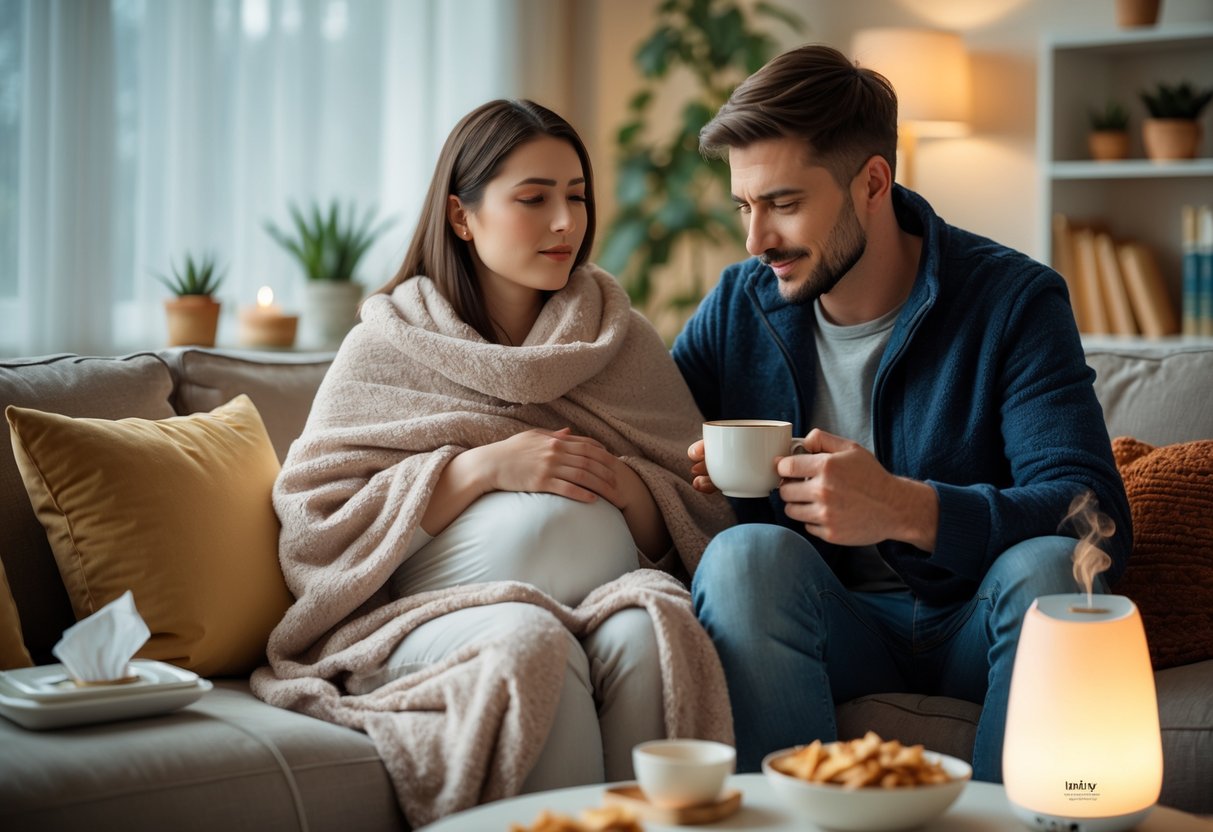
Periods can mean cramps, fatigue, and mood swings. You can make a real difference by showing care in small ways, understanding her feelings, and respecting her need for space.
Offering Emotional Support
Emotional support is honestly one of the best things you can give. Sometimes she just wants you to listen instead of fixing things.
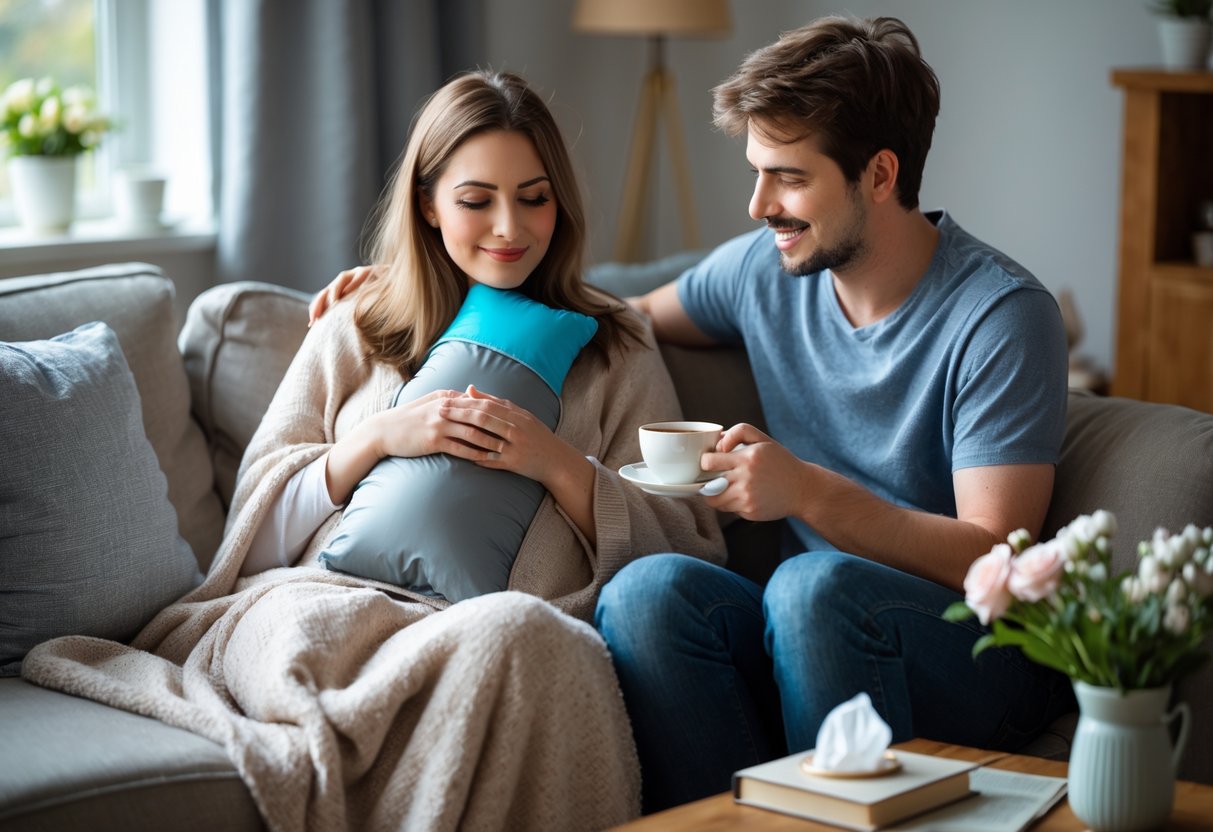
Even a quick “I’m here for you” can matter. Bring her favorite snack, make tea, or offer a heating pad—these gestures show you notice and care.
Physical affection helps too. A hug, holding hands, or cuddling might ease stress, but always check if she’s up for it.
Don’t dismiss her feelings. Even if her emotions seem bigger than usual, they’re real. Validating her experience is way more helpful than telling her to “calm down.”
Being Patient With Mood Swings
Mood swings happen thanks to hormones. She might get irritable, sad, or frustrated faster than usual.
Patience is everything. If she snaps, try not to take it personally.
Instead of arguing, give her space to vent. Staying calm helps keep little disagreements from blowing up.
You can also pitch in with chores. Doing the dishes or picking up groceries can take stress off her plate.
Patience doesn’t mean ignoring your own feelings, though. If something’s bugging you, talk it out later when things have cooled off.
Respecting Her Need for Space
Sometimes she’ll just want to be alone. Respecting her space shows you get it.
If she wants to rest, let her. Use that time for your own stuff instead of making her feel bad.
Don’t push her to hang out if she’s not feeling it. Let her call the shots on social plans.
Still, check in without hovering. A quick “Let me know if you need anything” is enough.
Balancing support and space is tricky, but it matters. Being around while respecting her boundaries goes a long way.
Practical Ways to Help Her Feel Better
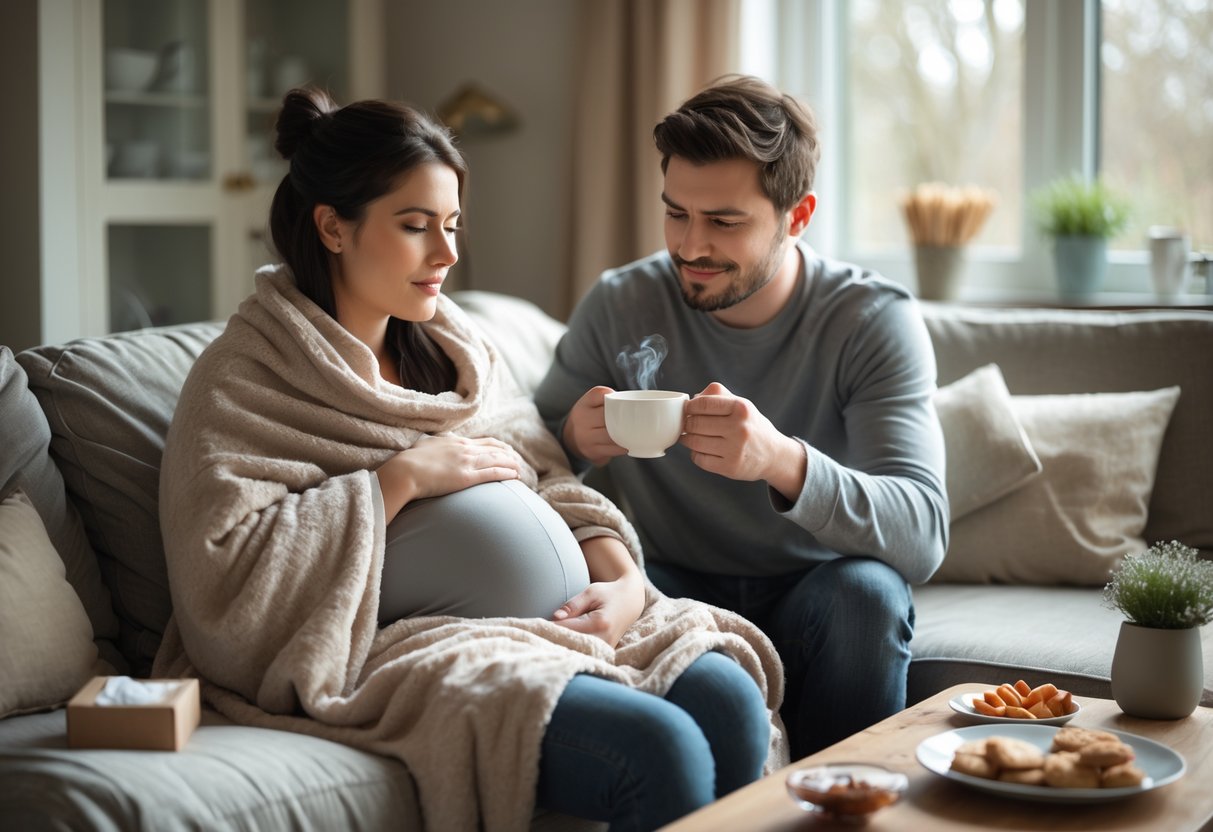
When she’s on her period, small actions can mean everything. Food, pain relief, and hygiene are three areas where you can really step up.
Managing Cravings and Comfort Foods
Cravings are super common, usually for sweet or salty snacks. Instead of judging, help her enjoy them in moderation.
A little dark chocolate can curb cravings and give her antioxidants too. Keep easy, comforting foods around—whole grain toast, fruit, or yogurt work well and don’t make bloating worse.
If she wants something heavier, offer to cook or order her favorite meal. That way, she doesn’t have to stress about it.
Watch out for foods that can make things worse. Too much salt can crank up bloating, and caffeine can make cramps sharper.
Stock up on water, herbal teas, and light snacks so she’s got options.
Helping With Period Pain and Discomfort
Cramps, backaches, and headaches can be brutal. You can help with simple fixes.
Offer a hot water bottle or heating pad for her stomach—this relaxes muscles and helps with pain.
If she’s okay with it, over-the-counter pain relievers like ibuprofen can help. Just ask before handing her any meds.
Sometimes a short walk or light stretching helps too. Massages can work wonders—a gentle back rub or foot massage shows you care, but always check if she wants it.
If she doesn’t want to be touched, respect that and stay nearby for support.
Handling Sanitary Products and Hygiene
Periods mean extra trips to the bathroom and needing supplies. Be willing to pick up sanitary pads, tampons, or liners if she runs out.
It might feel awkward at first, but honestly, it shows you’re mature and supportive. Keep a stash of her favorite products at your place if she stays over often.
This saves her stress if she forgets something. Stock the bathroom with toilet paper, wipes, and a small trash bin with a lid.
Those little details make her feel more comfortable. For more tips, check out this practical guide on making a woman feel better while she’s on her period.
Things to Avoid and Common Mistakes

When your girlfriend is on her period, small actions or words can really shape how supported she feels. What you say matters, and respecting her space and avoiding stereotypes helps her feel cared for.
What Not to Say or Do
Some comments just sting. Never say she’s “PMSing” or call her dramatic.
PMS brings real symptoms like mood swings, fatigue, and cravings. Brushing it off makes her feel misunderstood.
If she’s irritated, don’t argue. If she snaps, don’t try to “win.” Just give her patience and space.
Avoid pushing her to be active or social if she’s not into it. Let her rest without guilt.
Don’t say “It’s not a big deal.”
Don’t push intimacy if she’s not interested.
Don’t comment on her appearance in a negative way.
Understanding Boundaries
Respect her boundaries by noticing what she needs right now. If she wants quiet, give it.
If she asks for comfort, offer it without hesitation. Helping with small tasks like keeping the bathroom clean or picking up pads or tampons shows you care.
Medium’s guide on things to avoid suggests even small things like not waking her up can lower stress.
Physical boundaries matter. Don’t touch her stomach unless she asks—cramps can make that area super sensitive.
Always check before offering a massage, heating pad, or even a hug. Listening is everything.
If she says no, respect it. No need to convince her otherwise.
Avoiding Stereotypes and Misconceptions
People often blame every emotion on her period. Saying things like “You’re just hormonal” shuts her down and makes her feel invisible.
Her emotions are real. PMS or cramps might turn up the volume, but that doesn’t make her feelings less valid.
Don’t assume every woman’s period feels the same. Some barely notice discomfort, while others deal with awful cramps or wild mood swings.
Even for the same person, each cycle can bring something new. One month is easy, the next is a mess.
There’s no reason to act like she should be “used to it.” Pain or exhaustion can hit hard, no matter how many years she’s had periods.
Forget the stereotypes. Focus on emotional support instead.
Ask how she’s doing, actually listen, and skip the medical advice unless she brings it up.
Empathy means more than trying to explain biology—she probably already knows more than you do.
Frequently Asked Questions
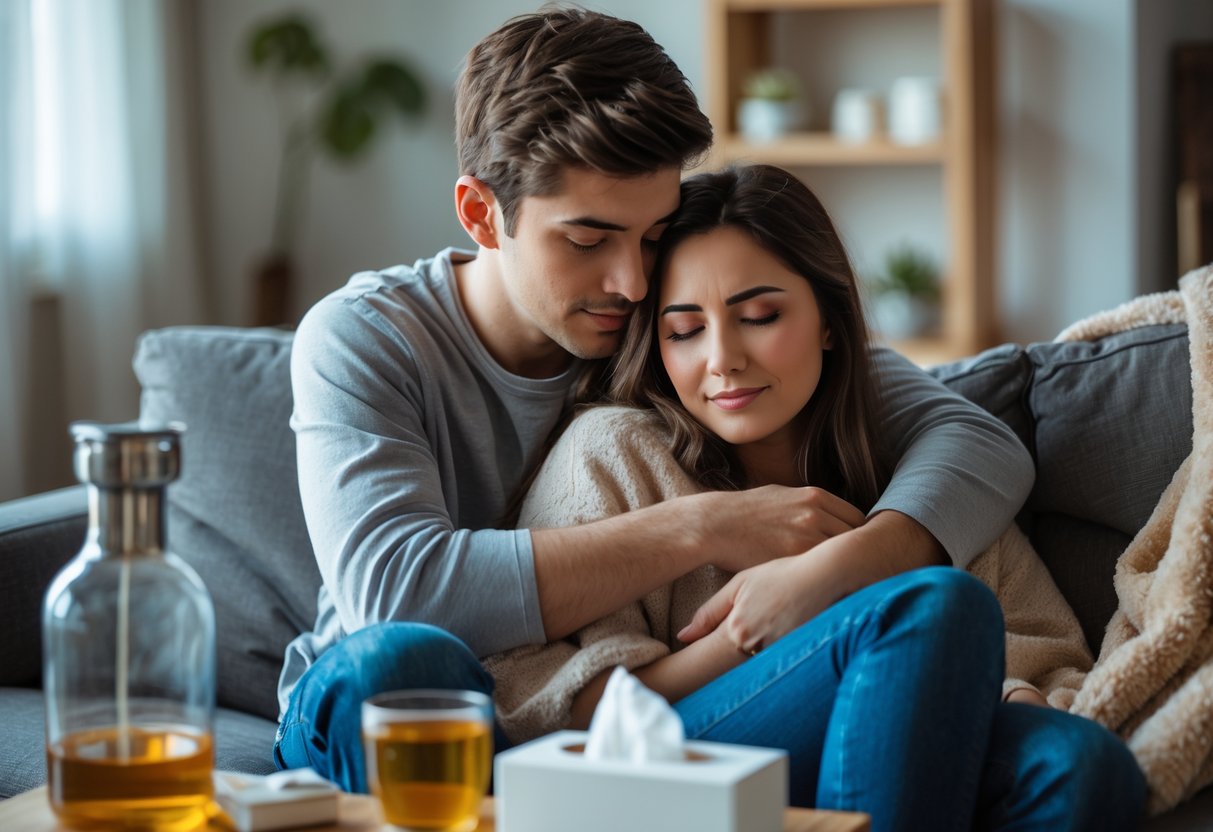
Your girlfriend’s period can bring physical pain, mood shifts, and changes in daily habits.
Pay attention to her needs, offer comfort, and try not to add stress. Sometimes that’s all it takes.
How can I be supportive to my partner during her period?
Do small things that show you care. Bring her a heating pad or her favorite snack.
Cooking a meal or taking over chores lets her rest.
Honestly, just ask what she wants. She’ll tell you, and it’s usually the simplest answer. This guide backs that up.
What are some common mood changes that might occur with periods?
Hormones can mess with emotions. She could feel irritable, anxious, or sad.
Her mood might flip in a second. Try to stay patient and don’t take things too personally.
Is it normal for her to have cravings or eat more during her period?
Cravings are totally normal. Lots of women want sweets, salty snacks, or comfort foods.
She might eat more than usual. Her body probably just needs the extra calories.
What kind of physical discomfort might she experience while on her period?
Cramps in her lower abdomen or back are super common. She might also get headaches, bloating, or just feel wiped out.
A warm compress, gentle massage, or some water can help. Here are some practical tips.
Are there any activities I should avoid suggesting when she’s on her period?
Skip high-intensity workouts or long outings if she’s hurting or tired.
Don’t push her into social plans if she’d rather stay in. Suggest something lighter, like watching a show or a short walk instead.
How can we maintain intimacy when she’s not feeling her best during her period?
Intimacy isn’t just about sex. Cuddling, holding hands, or sitting close can help her feel loved.
If she wants, intimacy can still include sex. Her comfort matters most, so always ask and respect her answer.